
SEO site migrations and redesign support that protects traffic
Moving platforms, changing URLs, or launching a new design can quietly break rankings. We run a migration plan that keeps your best pages findable, preserves authority, and catches issues before Google does.
Want launch-ready technical prep? New Website SEO Setup (Launch SEO) Technical SEO Audit
Most SEO losses happen from small launch mistakes
Migrations rarely fail because of one big problem. They fail from many small ones: broken redirects, blocked crawling, duplicate pages, missing metadata, and thin internal linking.
Redirect coverage gaps
Even a small percentage of unmapped URLs can drop long-tail traffic and waste crawl budget.
- Old-to-new URL mapping with priority scoring
- Chain and loop detection
- 404 and soft-404 watchlist for quick fixes
Indexation and canonical drift
New templates can create duplicates, parameterised pages, and inconsistent canonicals.
- Indexability rules and robots directives
- Canonical and pagination checks
- XML sitemap alignment to the new URL set
On-page and template regressions
Title tags, headings, schema, and internal links often get simplified during redesigns.
- Metadata and heading parity checks
- Schema validation and fixes
- Internal link recovery for top pages
Migration types we support
Common moves we plan and QA without guesswork.
- Domain changes and rebrands
- Platform changes (WordPress, Shopify, custom builds)
- HTTPS, subdomain, and folder structure changes
- International or multi-location expansion
Related: International SEO Setup (hreflang)
Redesign SEO guardrails
We support your designers and developers with clear implementation rules.
- Template requirements for headings, internal links, and schema
- Core Web Vitals and performance constraints
- Indexation-safe filters, faceted navigation, and parameters
- Launch-day checklist with rollback options
Related: Core Web Vitals Optimization
Migration QA snapshot
A practical view of what we check before launch, on launch day, and after launch. Exact depth depends on your tier and complexity.
| QA area | Pre-launch | Launch day | Post-launch |
|---|---|---|---|
| Redirects and status codes 301 mapping, chains, loops, 404 triage |
Required | Validation sweep | Fix list and monitoring |
| Indexability rules Robots, noindex, canonicals, templates |
Required | Spot checks | Coverage review |
| Sitemaps and crawl paths XML alignment, orphan prevention |
Required | Submit and verify | Coverage and errors |
| Metadata and content parity Titles, H1s, key sections |
Top pages first | Regression checks | Refresh priorities |
| Schema and rich results Validation and template rules |
High-impact templates | Not typical | Iterate if needed |
| Analytics continuity GSC, GA4, conversion tracking checks |
Sanity check | Verification | Issue triage |
Note: complexity depends on the number of URLs, templates, and whether your migration includes domain or platform changes.
Our migration support process
We treat migrations like a controlled release: define the URL set, validate rules, test redirects, then monitor to stabilise.
1) Discovery and inventory
We collect what matters and define what must be preserved.
- Top pages by traffic, conversions, and links
- Current indexation and crawl behaviour
- Template rules: canonicals, pagination, parameters
2) Redirect and rule planning
We plan the URL changes and guardrails before code is shipped.
- Redirect map with priority scoring
- Robots and sitemap strategy aligned to new URLs
- Canonicalisation and duplication prevention
3) QA, launch, stabilisation
We run pre-launch tests, launch-day checks, then monitor and triage.
- Staging crawl and parity checks
- Launch-day checklist and verification
- Post-launch monitoring window by tier
Migration and redesign support pricing
Choose a one-time migration tier based on how complex the launch is and how long you want us monitoring post-launch.
We do not take on two direct competitors in the same industry and service area at the same time on Tier 2 plans and up. Ask if your niche and location qualify.
Launch-safe essentials
Outcome promise: launch with the core guardrails in place so you avoid preventable losses.
- Pre-launch checklist and risk flags
- Redirect plan and validation approach
- Staging QA pass (critical templates)
- Launch-day checklist
- Post-launch watchlist (short window)
Best if your URL set is stable and your team can implement fixes quickly.
Full QA plus stabilisation
Outcome promise: stronger QA plus a stabilisation window to catch issues before they become a ranking drop.
- Everything in Foundation
- Expanded template checks (canonicals and schema)
- Priority page parity checks
- Post-launch monitoring for 14 days
- Readout and next steps plan
Best for platform changes, bigger redesigns, and teams who want guided prioritisation after launch.
Large migrations partner
Outcome promise: dedicated support through a large migration with a longer stabilisation window.
- Everything in Growth
- Expanded URL mapping (larger sets)
- More stakeholder coordination
- Post-launch monitoring for 45 days
- Stabilisation roadmap
Best for large sites, multi-template builds, and launches with multiple moving parts.
Timeline
We align the work to your release plan. Most migrations follow this rhythm:
- Week 1: inventory, risk review, URL plan
- Week 2: redirects, rule specs, staging QA
- Launch: verification checklist and monitoring setup
- After: stabilisation monitoring (tier-dependent)
What we need from you
So we can move fast and keep the plan accurate.
- Staging access and a dev contact for launch coordination
- Current sitemap (or URL export) and planned URL structure
- Analytics access (GA4 + Search Console)
- Release timing and any content changes included in the redesign
If analytics needs setup first: GA4 and Search Console Setup
What is included in detail
- Migration kickoff: goals, constraints, and a risk register
- Top page inventory (traffic, conversions, links)
- Redirect mapping framework and validation plan
- Staging crawl and critical template QA
- Launch-day checklist
- Expanded parity checks (titles, headings, key blocks)
- Canonical rules, indexability checks, and schema validation
- XML sitemap strategy and submission plan
- Post-launch monitoring for 14 days (coverage, crawl, key pages)
- Prioritised fix list and next steps roadmap
- Large URL sets and more templates, with extended coordination
- More extensive redirect validation and deeper crawl diffs
- Post-launch monitoring for 45 days
- Stabilisation roadmap and handoff plan for ongoing SEO
Want ongoing performance after stabilisation? See SEO Strategy and Roadmapping and SEO Reporting and Dashboards.
Example outcome: redesign plus SEO that drives growth
When a site design changes, SEO outcomes improve when technical guardrails and content strategy ship together.
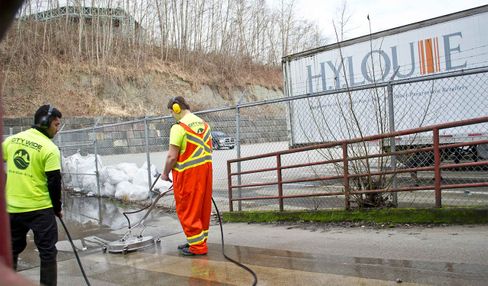
City Wide Environmental Cleaning
A modern website rebuild plus search optimisation to improve visibility and lead flow.
- 500% increase in organic traffic
- 40 new high-revenue leads monthly
- 1,117% increase in organic impressions
See more: Case Studies
FAQ
Clear answers to the questions that come up on almost every migration and redesign.
When should SEO be involved in a redesign?
Do we need a redirect for every old URL?
How long does it take Google to stabilise after a migration?
What tools do you use to validate migrations?
Can you support content changes during a migration?
What if we already launched and traffic dropped?
Get a migration plan that your dev team can ship
Step 1: send your details. Step 2: book a time. We will come prepared with the highest-risk items to address first.
Step 1: tell us about your launch
Related services that pair well with migrations
If you want the redesign to improve performance, not just preserve it, these services stack cleanly with migration support.