
International SEO that scales without hreflang chaos
We help multi-region and multi-language websites rank cleanly, route the right users to the right pages, and measure what’s working across countries—so growth compounds instead of fragmenting.
Prefer a quick start? Get a free SEO audit · See related: Site migrations · GA4 + Search Console setup

What “international-ready” looks like
Clean language + region targeting, correct canonical/hreflang pairing, stable indexation, and a content model that prevents duplicate intent across markets.
- Search intent mapped per market (not translated blindly)
- Indexation rules that avoid “wrong country ranking” issues
- Measurement that ties markets to leads or revenue
Built for teams expanding across languages and regions
International SEO breaks when technical signals, content intent, and internal governance aren’t aligned. We fix the system—then operate it.
Multi-region websites
Subfolders, subdomains, ccTLDs, or hybrids—choose what fits your brand, resources, and speed goals.
- Canada/US split
- EMEA/APAC rollout
- International ecommerce
Multi-language content
Proper language targeting without duplicate content traps or messy canonicals.
- Hreflang governance
- Template-level scaling
- Localised intent mapping
Teams who need clarity
We translate SEO into decisions: what to build, what to fix, what to ship next.
- Market-by-market opportunities
- Prioritised ticket backlogs
- Reporting that’s actionable
The International SEO system we implement
Click through the steps. On mobile, steps open in a scrollable sheet you can pull down to dismiss. This is the same structure we use to keep multi-market SEO stable as your site grows.
-
1Architecture decisions Subfolder vs ccTLD vs subdomain—plus routing rules.
-
2Hreflang + canonical alignment Pairs, clusters, and fallback logic.
-
3Market keyword + intent mapping Local search behaviour, not translations.
-
4Content production model Templates, hubs, and localisation workflows.
-
5Authority + PR signals Market-relevant links and brand mentions.
-
6Measurement + governance Market dashboards, QA, and release checks.
1) Architecture decisions
We pick the structure that matches your operational reality (dev resources, content speed, brand constraints) and define routing rules to keep indexing stable as you expand.
- Structure planSubfolders, ccTLDs, subdomains, or hybrid—documented with pros/cons.
- Market routing rulesLanguage, region, currency, and shipping logic—aligned to SEO signals.
- Internal linking modelCountry hubs + supporting clusters (see site architecture).
2) Hreflang + canonical alignment
Hreflang only works when it’s consistent, complete, and paired with clean canonicals. We implement and QA at a template level to avoid “works on a few pages” outcomes.
- Cluster designDefine language/region sets per template and enforce reciprocity.
- QA checklistCoverage, conflicts, x-default, canonical mismatches, and indexation.
- Release supportIf you need pure hreflang execution, use International SEO Setup (hreflang).
3) Market keyword + intent mapping
“Same keyword, different country” is rarely true. We map intent per market and assign targets to the right pages so each region earns its own rankings.
- Market-level researchLocal SERP realities, competitors, and query modifiers.
- Cannibalisation preventionClarify which market page owns the query (see canonicalisation).
- Keyword-to-URL mapTicket-ready target list (see keyword research).
4) Content production model
International SEO scales when content creation is systemised: templates, governance, and a localisation workflow that preserves intent (not just words).
- Global + local pillarsCountry hubs, category hubs, and supporting clusters.
- Localisation guidelinesTone, currency, examples, and compliance—market appropriate.
- Refresh programmeKeep winners winning (see content optimisation).
5) Authority + PR signals
Links and brand mentions work best when they’re market-relevant. We build a plan that earns authority in the regions you care about.
- Market outreach planPR angles, resource placements, and partner opportunities.
- Quality controlRelevance, toxicity checks, and anchor discipline (see toxic link cleanup).
- Digital PR assetsLinkable assets + distribution (see Digital PR).
6) Measurement + governance
International programmes win by reducing mistakes. We build QA checks and reporting that help your team ship safely and faster.
- Market dashboardsChannel and market reporting (see SEO reporting).
- Release QATemplates, sitemaps, canonicals, hreflang, and indexation checks.
- Attribution resilienceIf needed, pair with Consent Mode and lead attribution.
Common international SEO failure modes (we prevent)
International SEO pricing (setup + ongoing execution)
Most teams start with a technical hreflang/setup project, then move into an ongoing programme for content, market expansion, and authority building.
Option A: International SEO Setup (hreflang) — one-time project
$1,750 CAD
One-time · Fast technical stabilisation
- Hreflang + canonical review for core templates
- Implementation plan for your dev team
- QA checklist + handoff
- Routing sanity checks (language/region)
- Readout call and next-step roadmap
$3,600 CAD
One-time · Template-level fix plan + release QA
- Template-level hreflang cluster design
- Prioritised ticket list (developer-ready)
- QA on one release
- Indexation + sitemap checks
- Market expansion guardrails
$7,200 CAD
One-time · Broader stabilisation across templates
- Multi-template hreflang governance model
- De-risking for large releases
- Two QA touchpoints post-release
- Stakeholder workshop
- International SEO backlog + roadmap
Option B: International SEO programme — monthly execution
$3,750 CAD
Monthly · Outcome: stable international growth
- International technical QA + backlog
- Market keyword mapping for one cluster
- On-page optimisation + internal linking
- Content briefs with localisation notes
- Monthly reporting + call
$6,000 CAD
Monthly · Outcome: faster market expansion
- Multi-market intent mapping (priority set)
- Template-level optimisation guidance
- Competitor gap tracking per market
- SERP feature targeting
- Biweekly call
$10,000 CAD
Monthly · Outcome: governance + moat building
- Weekly execution cadence + QA gates
- International content system + refreshes
- Authority plan (PR/linkable assets)
- Top-page improvements programme
- Quarterly moat plan
Timeline
International SEO is two tracks: stability (technical + routing) and growth (content + authority). Typical flow:
- Weeks 1–2: diagnostics, architecture decisions, hreflang plan
- Weeks 3–6: fixes shipped + QA + market keyword mapping
- Weeks 6–12: content cadence + internal linking + PR groundwork
- Quarterly: market expansion plan + refresh + governance tightening
What we need from you
To keep execution tight, we’ll ask for:
- Access to Search Console, Analytics, CMS, and (if possible) staging
- A dev contact for release coordination
- Target markets, languages, and revenue priorities
- Existing translation/localisation process (if any)
- One stakeholder for approvals to avoid bottlenecks
How VSA keeps delivery predictable
Team sync join-ins available when needed · Monthly reporting · Clear deliverables
Proof you can trust
International SEO isn’t a one-off fix—it’s a compounding system. Here are a few of VSA’s standout results. (Results vary by industry and starting point.)

Jet Pet Resort
+1 million organic clicks with just one content asset.
See the full story: Jet Pet Resort case study

Release The Hounds
+1,667% organic traffic increase with targeted optimisation + content.
See the full story: Release The Hounds case study
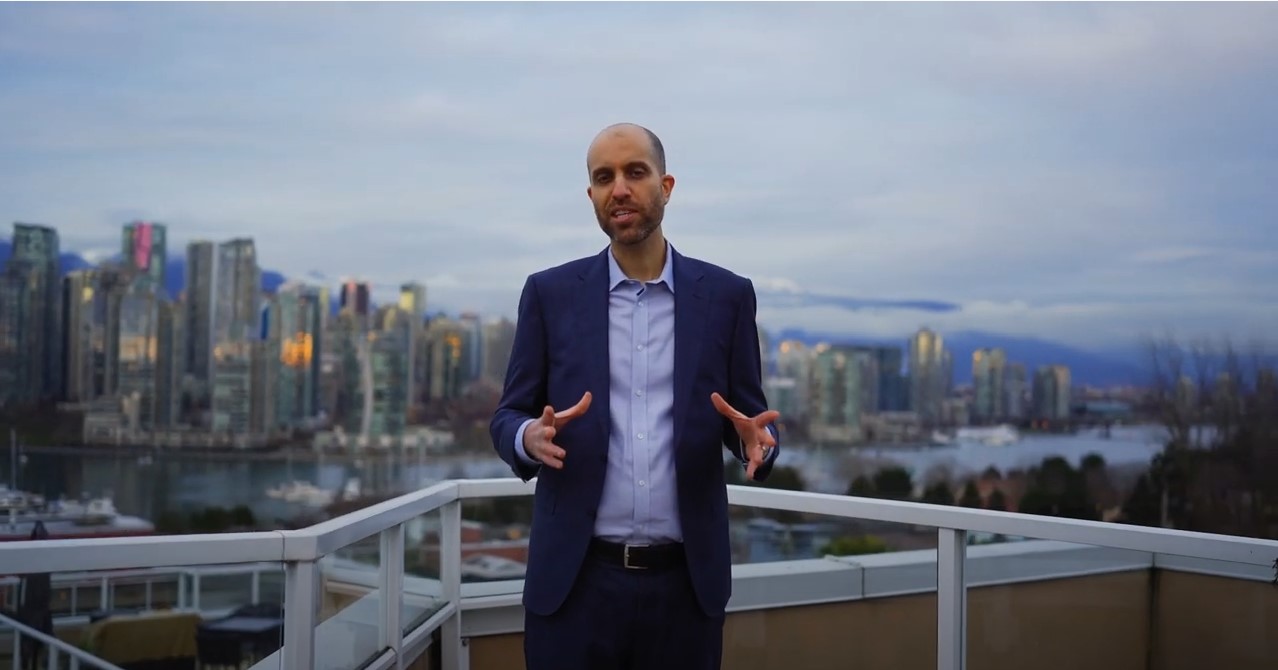
Ron Parpara
+1,090% organic traffic increase and #1 average position for “Vancouver Realtor”.
See the full story: Ron Parpara case study
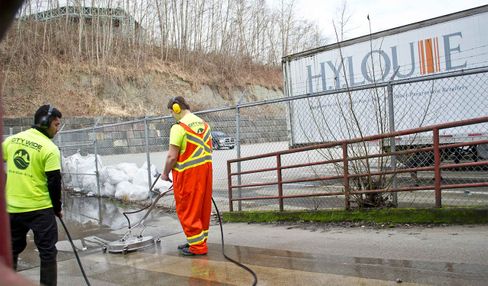
City Wide Environmental Cleaning
+500% organic search traffic from a ground-up rebuild.
See the full story: City Wide case study
Get a market-ready International SEO plan
Tell us where you’re expanding and what “success” means. We’ll reply within 1 business day with next steps. No contracts required to start.
Then we’ll reveal the calendar to book a working session.


International SEO FAQ
Quick answers to the questions that usually decide the strategy.