
Crawl budget cleanup that gets your important pages indexed first
If Googlebot is spending time on filters, parameters, duplicates, and thin pages, your best content can index slowly, rank inconsistently, and waste link equity. VSA fixes crawl waste, prunes index bloat, and tightens signals so the pages that matter get crawled, indexed, and refreshed reliably.
Reply within 1 business day. No long contracts. Read the FAQs
We do not take on two direct competitors in the same industry and service area at the same time on Tier 2 plans and up. Ask if your niche and location qualify.
-
Parameters and faceted filters
Endless URL variants that dilute signals and burn crawl budget.
-
Duplicate and near-duplicate templates
Thin category variants and repeated content blocks that compete with each other.
-
Soft 404s, redirected chains, crawl traps
Status code noise that stops important URLs from being revisited.
-
Low-value pages in the index
Tag archives, internal search pages, and thin location permutations.
-
Link equity split across variants
Multiple URLs trying to rank for one intent because signals are not consolidated.
-
Slow indexing for priority pages
New content and updates take longer to appear or refresh in search.
For very large sites, we often add Log File Analysis to validate exactly where Googlebot is spending time and confirm wins post-release.
What crawl budget and index bloat are, in plain language
Crawl budget is how much attention search engines allocate to your site. Index bloat happens when too many low-value URLs get indexed, which dilutes relevance and slows recrawls of the pages that drive revenue.
Diagnose waste
We identify the URL patterns Google should not be spending time on, then quantify impact and prioritise fixes.
- Parameter traps, filters, and sorting variants
- Soft 404s, redirect loops, and crawl errors
- Thin templates and duplicate page families
Prune the index
We keep what deserves to rank, consolidate what competes, and de-index what harms quality signals.
- Canonicalisation and duplicate consolidation
- Noindex, robots, and removals when appropriate
- Sitemap and internal link hygiene
Stabilise growth
After cleanup, we restructure signals so new content gets crawled efficiently and your strongest pages stay fresh.
- Better crawl pathing from navigation and hubs
- Template rules to prevent bloat reappearing
- QA checks before and after releases
What you get
A prioritised cleanup plan that engineers can implement quickly, plus QA so you do not trade crawl efficiency for lost rankings.
Cleanup blueprint
- Index bloat inventory grouped by URL pattern
- Decision map: keep, merge, canonicalise, noindex, block, remove
- Robots and parameter handling recommendations
- Sitemap segmentation and exclusions
- Internal linking adjustments to shift crawl priority
Implementation support
- Developer-ready tickets with acceptance criteria
- Redirect and canonical QA to prevent signal dilution
- Pre and post checks: index coverage, crawl stats, server codes
- Optional: log file validation for larger sites
- Readout and next steps roadmap
| URL pattern | When it is harmful | Preferred action | Risk control |
|---|---|---|---|
| Faceted filters ?colour=, ?size=, /filter/ |
Creates thousands of thin variants competing with core categories. | Block crawl Noindex | Keep a small set of valuable facets indexable if they earn demand. |
| Sort parameters ?sort=price, ?order= |
Duplicates content with only ordering changes. | Canonical Block crawl | Ensure canonicals resolve to the correct clean URL variant. |
| Tag archives /tag/, /topics/ |
Thin pages that cannibalise real guides and category pages. | Noindex Consolidate | Link tags internally if helpful, but keep them out of the index. |
| Internal search /search?q= |
Often indexed unintentionally, produces low-quality SERP pages. | Noindex Robots | Confirm you do not rely on these pages for organic acquisition. |
| Near-duplicate location pages /city-a/ vs /city-b/ |
Same template with tiny changes, weak differentiation. | Merge + canonical | Build fewer, stronger pages with true unique content and proof. |
If you are unsure which action is safest, we design rules that preserve rankings and crawl efficiency together.
How we clean crawl waste without breaking rankings
Every change is mapped to intent, signals, and risk. We keep high-value URLs indexable, consolidate duplicates, and prevent bloat from returning with template-level guardrails.
Baseline + crawl map
We combine crawl data, Search Console coverage, and sitemap checks to understand where crawl budget is going and where it should go.
- Crawl sample to expose traps and duplicates
- Index coverage, excluded reasons, and patterns
- Priority URL set for crawling and indexing
Bloat inventory
We group low-value URLs into a short list of fix patterns. This prevents whack-a-mole tickets.
- Facets and parameters by template and intent
- Duplicate families and near-duplicates
- Soft 404s, chains, loops, and orphaned pages
Decision rules
We select the safest action for each pattern. The goal is stronger signals, not fewer pages at any cost.
- Canonicals and consolidation plans
- Robots and noindex rules for traps
- Internal linking tweaks to elevate priority hubs
Ticketing + QA
You get developer-ready tickets with acceptance criteria, plus QA so changes land cleanly in production.
- Ticket list with examples, rules, and test steps
- Staging QA and post-release QA
- Monitoring plan for coverage and crawl stats
Monitor + prevent regression
We confirm Google is spending more time on the pages that matter and reduce the chance of bloat returning through templates or CMS behaviour.
- Guardrails for filters, tags, and pagination
- Faster recrawl for priority URLs
- Optional log file validation for large sites
Proof in results
Technical cleanup is rarely the only lever, but when crawl waste and duplication are fixed, performance becomes more predictable and content wins land faster.

Jet Pet Resort
+1 million organic clicks from one content asset
Audits, technical fixes, and content strategy that built durable visibility.
Read case study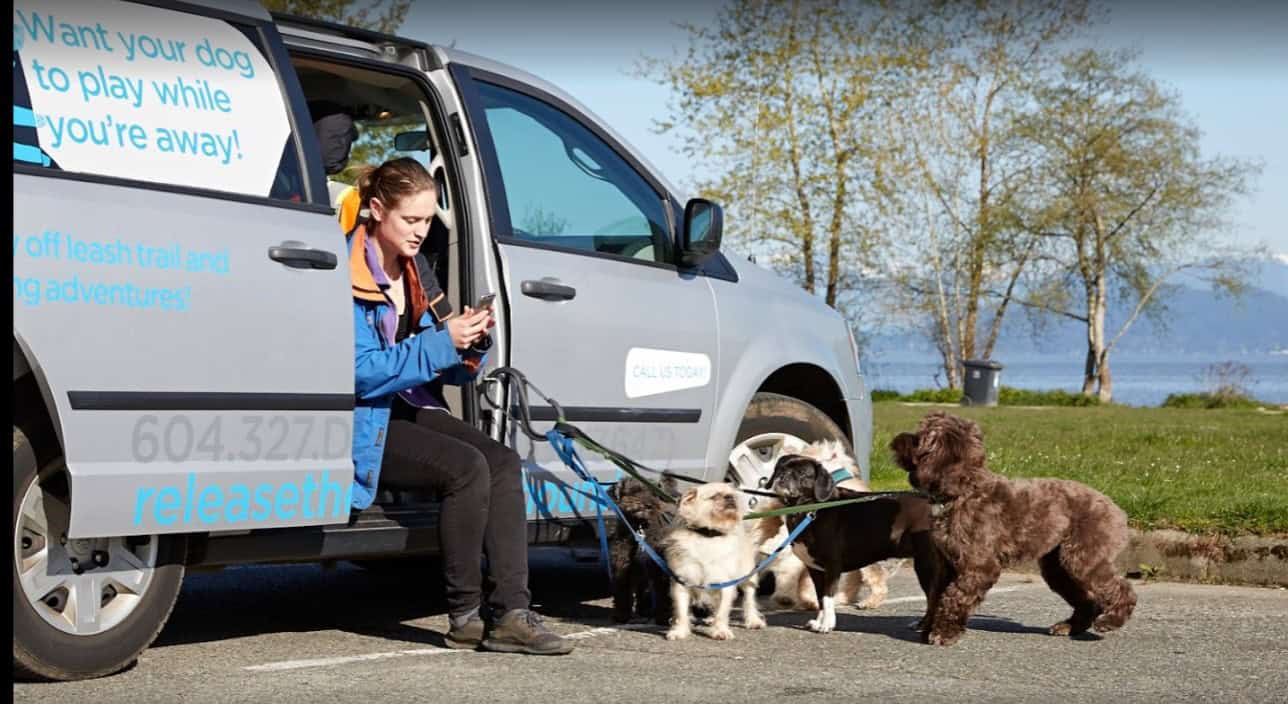
Release The Hounds
+1,667% organic traffic increase
Page optimisations, new content assets, and technical cleanups that unlocked growth.
Read case study
Ron Parpara
+1,090% organic traffic increase
Structure and consolidation reduced cannibalisation and strengthened local visibility.
Read case studyPricing and packages
One-time cleanup sprints priced for speed. Pick the scope that matches how many templates and URL patterns need attention.
$1,750 CAD
Outcome: remove one critical crawl bottleneck fast.
- Diagnose one focus area (example: parameters or duplicates)
- Blueprint with safest actions by URL pattern
- Dev-ready fix plan and QA checklist
- Handoff call with next steps
- Best for small sites or one clear problem
$3,600 CAD
Outcome: template-level fixes with QA support.
- Everything in Foundation
- Up to ~25 pages or templates analysed
- Prioritised ticket list with acceptance criteria
- QA on 1 release (staging or production)
- Readout call with monitoring plan
$7,200 CAD
Outcome: broader stabilisation across templates and patterns.
- Everything in Growth
- Up to ~60 pages or templates analysed
- Two QA touchpoints post-release
- Stakeholder workshop for guardrails and governance
- Optional measurement plan for ongoing monitoring
Timeline
- Foundation: 5 to 7 business days
- Growth: 10 to 14 business days
- Scale: 3 to 4 weeks
Rush options are sometimes available if you have a release window.
What we need from you
- Search Console access (read-only is fine)
- Staging or dev contact for implementation
- CMS and platform context (Shopify, WordPress, custom)
- List of priority pages and revenue categories
If access is limited, we can start with a crawl + plan, then support QA later.
What’s included in detail
- Index coverage patterns and excluded reasons
- Template and parameter trap discovery
- Duplicate clusters and cannibalisation risk
- Redirect and status code hygiene checks
- Robots and noindex rules with examples
- Canonical strategy by URL family
- Sitemap segmentation and pruning
- Internal linking changes to elevate hubs
- Staging checks and acceptance criteria
- Post-release validation: coverage, crawl stats, and key URLs
- Regression guardrails so bloat does not return
Get your crawl budget audit and cleanup plan
Step 1: send details. Step 2: book a time. We’ll come to the call with quick findings and a clear path to reduce crawl waste.
Step 1 of 2: Send details
We use this to identify the likely crawl traps and prioritise fixes. No spam.
Step 2 of 2: Book a call
The calendar unlocks after your details are successfully sent.
By submitting, you agree to be contacted about your request. We do not sell your information.
FAQ
The safest path is almost always pattern-based fixes with clear guardrails, not random URL pruning.