
Crawl and Indexation Fixes that turn invisible pages into ranking assets
If Google cannot reliably crawl, render, or index your best pages, rankings stall and leads disappear. VSA diagnoses the bottleneck, ships a prioritised fix plan, and QA’s the release so coverage and visibility recover with less churn.
Prefer a fast win first? View sprint pricing or request a free SEO audit.
Fixes that stick, not patchwork
Crawl and indexation problems are rarely one thing. We map the whole chain, prioritise by impact, and QA after deployment. If you want deeper diagnosis, pair this with log file analysis.
More of the right URLs get crawled
We reduce bot friction so priority templates get discovered, revisited, and refreshed faster.
- Cleaner internal link flow to money pages
- Parameter handling that prevents crawl traps
- Redirect chains eliminated where they matter
Indexation matches your strategy
We align canonicals, robots directives, and sitemaps so Google indexes what you intend to rank.
- Canonicalisation fixes to prevent dilution
- Noindex, x-robots-tag, and robots.txt consistency
- XML sitemap prioritisation by value
Fewer ranking drops after changes
We ship with QA and a monitoring plan so fixes do not create new coverage regressions.
- Release-ready tickets your dev team can execute
- Post-release checks and coverage monitoring
- Optional indexing drop recovery support
Common crawl and indexation blockers we remove
This list is not theoretical. It is the stuff that keeps strong sites invisible. If you are also seeing duplication and cannibalisation, you may need canonicalisation and duplicate content solutions.
| Symptom | Likely cause | What we fix | Impact |
|---|---|---|---|
|
Important pages not indexed Coverage gaps |
Canonical pointing elsewhere, weak internal links, soft 404s, or accidental noindex. | Canonical + directive audit, internal linking boosts, template-level indexability checks, GSC validation. | Recover rankings for money queries and reduce wasted content spend. |
|
Google crawls junk URLs Crawl traps |
Parameters, faceted navigation, calendar pages, infinite pagination, duplicate paths. | Robots rules, parameter strategy, internal link containment, sitemap pruning, optional crawl budget cleanup. | Faster re-crawls and more bot time on pages that drive leads. |
|
Indexed pages disappear Volatility |
Thin clusters, duplicated intent, unstable templates, conflicting canonicals, or rendering issues. | Template stabilisation, canonical consistency, content signals review, JS render checks, QA and monitoring. | Stabilise visibility and reduce week-to-week swings. |
|
Unexpected noindex behaviour Directive leaks |
Meta robots set by environment, header directives, plugins, or CMS template inheritance. | Directive inventory, environment parity checks, header clean-up, staging to production QA steps. | Stop silent losses caused by hidden directives. |
|
Sitemaps exist but do not help Low signal |
Too many low value URLs, stale lastmod, mixed intent, or orphan pages not linked internally. | XML sitemap strategy, segmentation by priority, lastmod rules, orphan discovery and linking. | Better indexing for priority pages and cleaner signals. |
Developer-ready outputs
You get clear tickets, acceptance criteria, and a QA checklist. If your team wants deeper tech support, pair this with JavaScript SEO.
- Prioritised fixes with effort and impact estimates
- Template and routing notes (CMS, filters, pagination)
- Release QA, then monitoring and next-step recommendations
Indexation monitoring that catches regressions
We set up a repeatable validation loop so fixes do not fade after the first release. For conversion visibility, add GA4 and Search Console setup.
- GSC coverage checks and template grouping
- Sitemap submission strategy and monitoring
- Alert thresholds for sudden indexation drops
Our crawl to indexation fix system
The goal is simple: make Google spend more time on the pages that deserve to rank, and remove the technical ambiguity that blocks indexing. When needed, we expand into site architecture and internal linking.
Click steps to view deliverables
- 1 Crawl diagnosticsstatus codes, crawl depth, traps
- 2 Indexation mappingcoverage, template groups, intent
- 3 Directives and policiesrobots, headers, meta robots
- 4 Canonical and duplicationsignals, consolidation, paths
- 5 Internal links and sitemapsdiscovery, priority, lastmod
- 6 QA and monitoringrelease checks, regression guard
Crawl diagnostics
We identify where bots get stuck, what they waste time on, and what blocks discovery of priority pages.
- Crawl segmentation
Templates, folders, parameters, pagination, and status code clusters. - Redirect chain and soft 404 review
Fix the leaks that waste crawl and dilute signals. - Discovery pathways
Where internal links fail and where sitemaps must compensate.
Indexation mapping
We map what is indexed, what should be indexed, and where Google’s view disagrees with your strategy.
- Template-by-template coverage
Find patterns behind “crawled, not indexed” and “discovered, not indexed”. - Intent alignment
Ensure your index is made of pages that can win searches. - Recovery plan
Prioritised fixes and monitoring to confirm re-indexation.
Directives and policies
We remove conflicting signals so Google can confidently index the right pages.
- Robots.txt and crawl rules
Prevent traps while allowing access to priority content. - Meta robots and header directives
Align meta robots with x-robots-tag headers across environments. - Sitemap strategy
Build segmented sitemaps that reinforce what should be indexed.
Canonical and duplication
We make sure each search intent has one clear winner, with consolidated signals.
- Duplicate path clean-up
Parameters, http/https, trailing slashes, alternate routes. - Canonical integrity
Fix self-referencing, conflicting, or incorrect canonical targets. - Consolidation recommendations
When merging content is the real fix, we outline the safe path.
Internal links and sitemaps
We help Google discover and prioritise pages through both links and clean XML signals.
- Internal link priorities
Editorial and template links that route authority to key pages. - Orphan discovery
Pages in sitemaps but not linked, or linked but not indexed. - Lastmod and segmentation
Better re-crawl behaviour and clearer priority signals.
QA and monitoring
We validate the release, confirm signals, and track the recovery so improvements persist.
- Release QA checklist
Indexability, canonicals, internal links, and directives verified. - Monitoring plan
Coverage alerts, sitemap monitoring, and prioritised follow-ups. - Next-step roadmap
If needed, expand into Core Web Vitals, content refresh, or architecture.
Related high-impact upgrades
Indexation is the foundation. These services amplify results once coverage is stable.
Need validation at the server level?
If crawls look fine but Googlebot behaves differently, the answer is often in real bot logs and headers. Add log file analysis or a robots and XML sitemap optimisation sprint.
- Googlebot access, status codes, and response patterns
- Cache, redirects, and header directive mismatches
- Bot time by folder and template, plus waste diagnosis
Proof in Vancouver search results
Technical wins are only worth it if they translate into traffic and leads. See more on our case studies page.

Jet Pet Resort
How one content asset helped drive significant organic growth, supported by strong technical foundations.
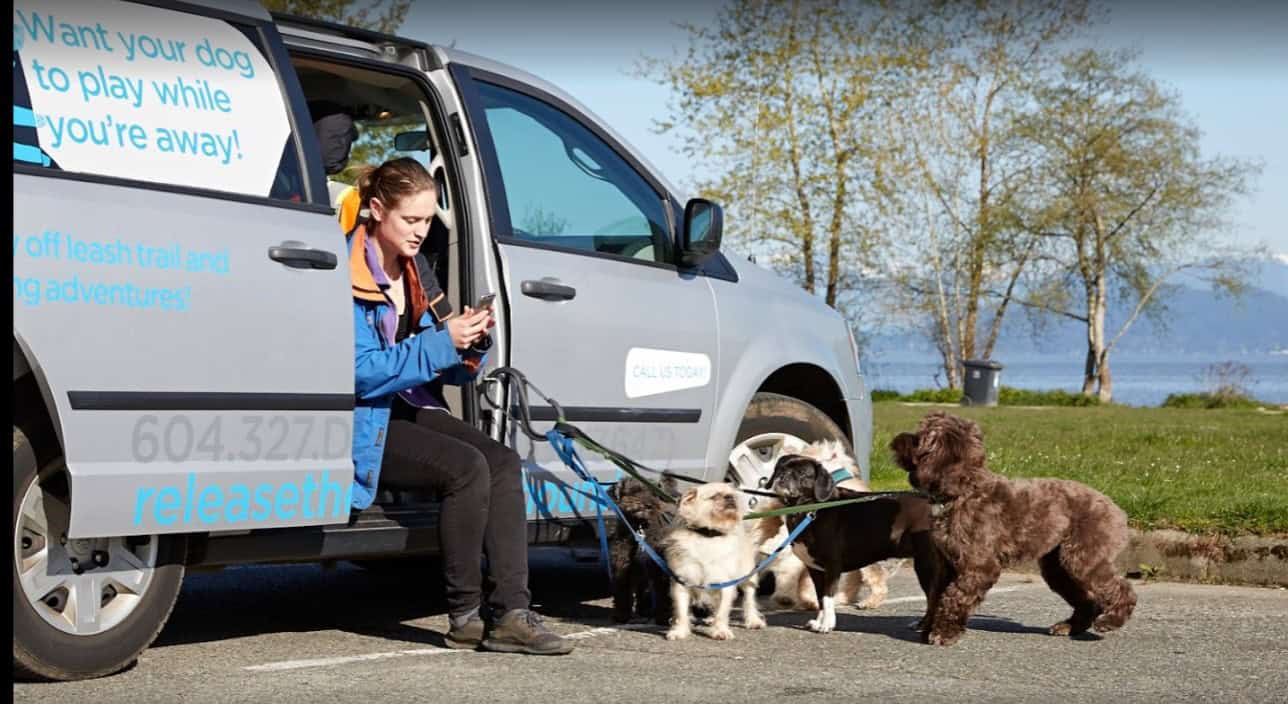
Release The Hounds
Site optimisation and content improvements that turned visibility into sustained traffic.
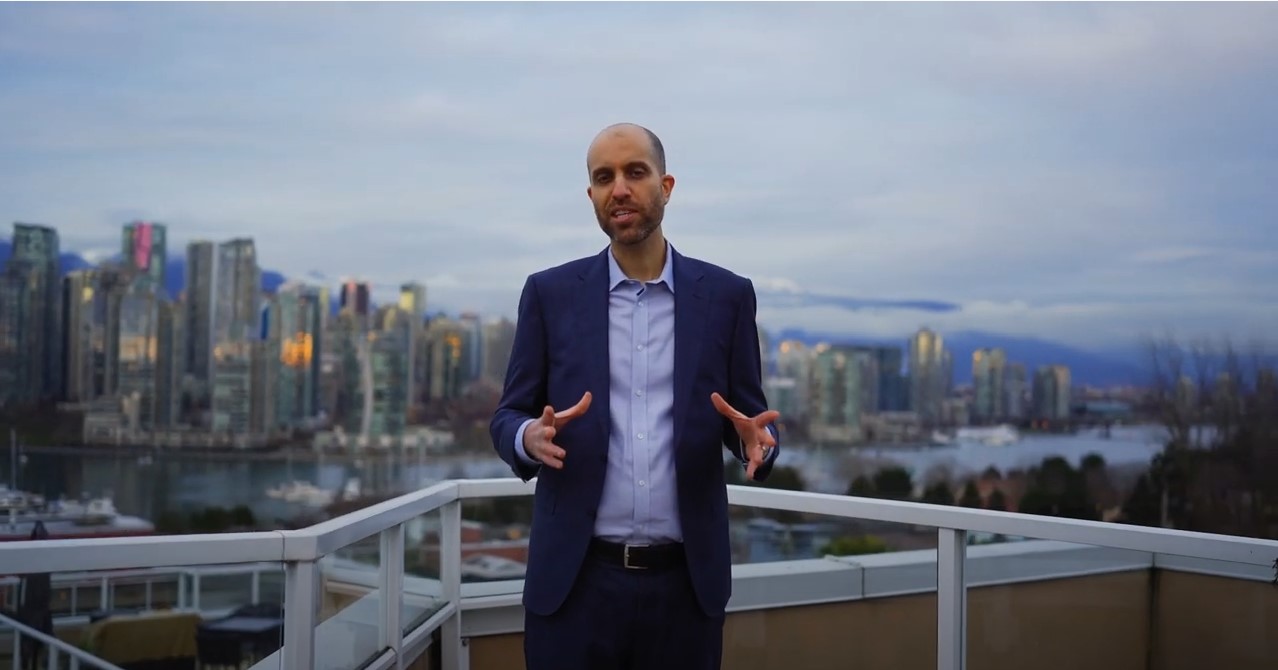
Ron Parpara
From minimal organic presence to dominating local search listings with a structured SEO plan.
Crawl and indexation fix sprint pricing
One-time, outcomes-first sprints designed to remove the bottleneck and stabilise coverage. If you need ongoing execution, see technical SEO services.
Foundation
Remove one critical crawl or indexation bottleneck fast.
- One focus area (example: accidental noindex, crawl traps, or sitemap issues)
- Diagnosis + fix plan your dev team can implement
- Prioritised ticket list and acceptance criteria
- QA checklist for deployment
- Handoff call
Growth
Template-level fix plan with QA support to reduce regressions.
- Up to 25 pages or templates assessed
- Directive inventory (robots, meta robots, headers)
- Canonical and duplication review
- Prioritised implementation plan
- QA on one release and readout call
Scale
Broader stabilisation across templates with deeper QA touchpoints.
- Up to 60 pages or templates assessed
- Broader stabilisation across directives and canonicals
- Internal link and sitemap strategy refinements
- Two QA touchpoints post-release
- Stakeholder workshop and next-quarter roadmap
Guardrails that turn a sprint into a durable technical foundation.
Timeline
Most projects move quickly once we have access and a clear dev contact.
- Foundation: typically 5 to 7 business days
- Growth: typically 10 to 14 business days
- Scale: typically 3 to 4 weeks
What we need from you
Enough access to diagnose accurately, plus a path to implement.
- Google Search Console access (and GA4 if available)
- CMS or staging access where possible
- Dev contact and release cadence
- Confirmation of target templates and priority pages
Get your crawl and indexation plan
Step 1: send your details. Step 2: pick a time. We reply within 1 business day, and there are no contracts.
Step 1: tell us what is happening
We will confirm the email is sent, then show scheduling.
Step 2: pick a time
Choose a slot that works. We will arrive with the first-pass diagnosis.


FAQ
Quick answers to common crawl, indexing, and coverage questions we hear from Vancouver teams.