
Robots.txt and XML sitemap optimisation that makes Google crawl what matters
Stop accidental blocks, eliminate noisy URLs from discovery, and give search engines a clean, prioritised path to your revenue pages. We audit, rewrite, validate, and QA your robots policy and sitemap system end to end.
Prefer a broader technical sweep? Technical SEO Audit Crawl and Indexation Fixes


Why robots.txt and sitemaps move rankings
These are not “set and forget” files. They decide what search engines can fetch, what they discover, and what they waste crawl budget on. Small mistakes can hide your best pages or flood Google with junk.
Prevent accidental deindexing
We audit for common breakpoints like blocking critical templates, staging rules bleeding into production, and rules that stop rendering resources.
Make discovery intentional
We segment sitemaps by intent and template, then validate that every URL is indexable, canonical-aligned, and clean of status code issues.
Reduce crawl waste and volatility
A cleaner crawl path improves how quickly Google rechecks important pages, which can stabilise indexing after releases, migrations, and large content changes.
What we audit and optimise
This is the practical checklist we run through before we recommend changes. You get a clear fix plan plus QA support through release.
| Area | Robots.txt checks | XML sitemap checks | Cross-checks (the part most teams miss) |
|---|---|---|---|
| Indexability | Critical templates not blocked | Only indexable URLs included | Sitemap URLs must not be blocked by robots policy |
| Render safety | CSS/JS/assets crawlable for rendering | N/A | Rendering blocks can break understanding of content and layouts |
| Noise control | Parameters, internal search, faceted URLs | Clean canonical URLs only | Stop thin URL discovery and consolidate signals |
| Canonical alignment | N/A | Canonicals match sitemap URLs | Mismatch causes index bloat and duplicate clustering |
| Status codes | N/A | No 3xx/4xx/5xx URLs, no soft-404 sets | Sitemaps should be “clean lists”, not “maybe” lists |
| Environment controls | Staging rules, UAT gating, safe defaults | Correct production host and paths | Release-proof guardrails so staging does not leak into production |
| Discovery strategy | Sitemap directives present and correct | Index files, segmentation, lastmod hygiene | Target faster discovery for priority URL groups |
Our optimisation process
Built to be release-safe. You get clear recommendations, developer-ready tickets, and QA validation so nothing breaks in production.
Discovery + risk scan
We crawl the site the way search engines do, then compare findings to Search Console and your CMS patterns. This surfaces what Google can fetch, what it discovers, and what it wastes time on.
- Block auditFind accidental disallows and environment leaks.
- Discovery noiseParameters, internal search, filters, and thin archives.
- Priority mapDefine which URL groups deserve crawl priority.
Robots policy design
Robots.txt is a scalpel. We create rules that block junk URLs while keeping critical resources and templates crawlable for proper rendering and understanding.
- Render-safe setupKeep CSS/JS/assets accessible where needed.
- Noise gatesSafely constrain faceted, parameter, and search URLs.
- Release notesDocument intent so future edits do not break indexing.
Sitemap architecture
A sitemap is your clean inventory list. We ensure it only contains canonical, indexable URLs, then structure it so important groups are easy to discover and validate.
- SegmentationProducts, collections, services, locations, blog, and more.
- HygieneRemove 3xx/4xx/5xx URLs and canonical mismatches.
- Lastmod disciplineOnly update when content meaningfully changes.
Validation + QA
We verify changes before and after release. This is where teams avoid the “it looked fine in staging” surprise.
- Search Console checksLive tests for blocked resources and sitemap ingestion.
- Pre/post crawl diffConfirm the intended URLs are now discoverable.
- Edge casesLocale, pagination, query parameters, and duplicate templates.
Handoff + guardrails
You receive developer-ready tickets, a QA checklist, and a monitoring plan so your team can ship safely and keep it safe over time.
- Dev ticket packClear acceptance criteria for each change.
- QA checklistRepeatable steps for future releases.
- Optional join-insTeam sync join-ins available when needed.
Robots.txt + sitemap optimisation pricing
Choose a one-time sprint based on how many templates and URL groups you need covered. Each tier includes a clear fix plan and release-safe QA.
$1,750 CAD
Outcome: remove one critical crawl or indexation bottleneck fast.
- Robots.txt audit and rewrite (single focus area)
- Sitemap sanity check and critical fixes
- Prioritised recommendations with acceptance criteria
- QA checklist for your dev release
- Handoff call
$3,600 CAD
Outcome: template-level fix plan plus QA support through one release.
- Robots policy for key templates and noise sources
- Sitemap segmentation plan (by intent and template)
- Prioritised dev ticket list
- QA on 1 release (pre/post crawl validation)
- Readout call with next steps
$7,200 CAD
Outcome: broader stabilisation across templates with multi-touch QA.
- Robots and sitemap system across major site templates
- Advanced segmentation and monitoring setup guidance
- Release checklist and guardrails workshop
- Two QA touchpoints post-release
- Stakeholder workshop
Timeline
- Foundation: 5 to 7 business days
- Growth: 10 to 14 business days
- Scale: 3 to 4 weeks
If you are mid-release or migration, we can prioritise a risk scan first. See: SEO migrations support.
What we need from you
- Search Console access (or shared exports)
- Staging access for Tier 2+ recommended
- CMS or dev point of contact for implementation questions
- Current robots.txt and sitemap URLs (if custom)
If tracking is messy, consider: GA4 + Search Console setup.
Results (selected)
Technical fixes compound when they remove crawl friction and clarify what should be indexed.

Jet Pet Resort
+1,000,000 organic clicksOne content asset plus technical and on-site improvements helped drive massive organic growth.
Read the case study
Release The Hounds
+1,667% organic trafficIntelligent page optimisations and content assets pushed rankings into top positions.
Read the case study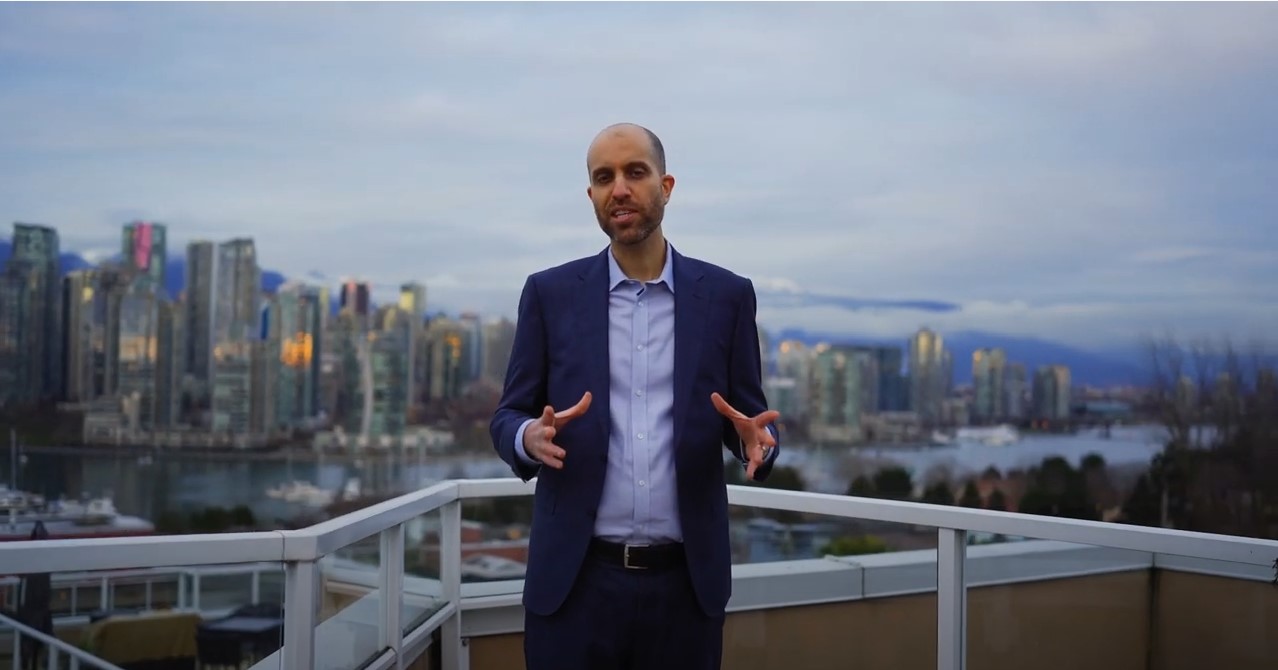
Ron Parpara
+1,090% organic trafficTechnical cleanup and content restructuring built a dominant local search presence.
Read the case study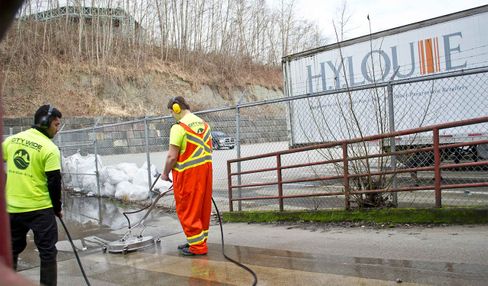
City Wide Environmental Cleaning
+500% organic trafficA modern rebuild plus SEO groundwork improved visibility and lead generation.
Read the case studyFAQ
Short, practical answers. If you want us to look at your setup, start with the free crawl review below.
Can robots.txt remove pages from Google?
Should every page be in the sitemap?
How often should we update lastmod?
What if we have faceted navigation or filters?
Do you implement changes or only provide recommendations?
Will this fix ranking drops by itself?
Get a free crawl review
Tell us your URL and what changed recently. We will reply within 1 business day with a quick assessment and the best next step.
Step 1: Send your details
Step 2: Book your review call
Once your details are received, choose a time. If you cannot find a slot, submit anyway and we will coordinate by email.