
Indexing and ranking drop recovery
that gets you back in the crawl, back in the index, and back in contention
If your pages stopped indexing, your traffic fell off a cliff, or key keywords vanished, we run a focused recovery sprint. You get fast triage, root-cause diagnosis, priority fixes, and monitoring so the recovery is measurable, not wishful.
Is this an indexing problem, a ranking problem, or both?
These issues look similar from the outside, but the fix is completely different. We separate them fast so every action helps recovery, not noise.
Indexing drop signals
Google cannot access, render, or accept your pages into the index reliably.
- GSC: “Discovered, currently not indexed” and “Crawled, currently not indexed” increases
- Pages fall out after updates or template changes
- Canonical points elsewhere or flips unexpectedly
- Robots, noindex, headers, or firewall blocks crawl access
Ranking drop signals
Your pages are indexed, but they are no longer trusted or chosen for the query.
- Impressions stay, clicks drop (CTR or intent mismatch)
- Rankings slide across a keyword set, not a single URL
- Competitors leapfrog with better content and stronger entity signals
- Internal links shift and authority flow breaks
Penalty or spam signals
Manual actions and spam events require a careful evidence-based response.
- GSC Manual Actions or Security Issues warnings
- Sudden deindexing after link spikes or hacked pages
- Brand queries show the wrong pages or none
- Site shows unexpected language, pharma, or casino terms
| Symptom you see | Likely category | What we verify first | Fastest high-impact fixes |
|---|---|---|---|
| URLs removed from index, or site: shows far fewer pages | Indexing | Robots, noindex, canonicals, redirects, server logs, renderability | Remove blocks, correct canonicals, resubmit sitemaps, fix templates |
| Rankings drop but pages remain indexed | Ranking | Intent match, content quality, internal links, SERP changes, competitors | Refresh critical pages, improve internal linking, update titles and snippets |
| Only specific templates or categories stopped indexing | Technical | Rendering, canonicals at scale, pagination, faceted navigation, thin pages | Fix canonical rules, crawl controls, index bloat cleanup |
| Spike in “Duplicate, Google chose different canonical” | Canonical | Canonical tags, internal canonicals, parameter URLs, redirects, sitemaps | Canonicalisation fixes, internal linking consolidation, sitemap hygiene |
| Manual action warning or spam behaviour | Penalty risk | Manual actions, security issues, link profile changes, hacked pages | Evidence, clean-up, reconsideration strategy, trust rebuilding |
Want a deeper baseline first? See Technical SEO Audit or SEO Audit Services.
The recovery system: diagnose, contain, repair, harden
This is built for real-world drops: messy change logs, mixed signals, and high pressure. We keep it simple: identify the failure mode, fix what matters, and monitor the outcome.
Tap a step to see details
- 1 Confirm failure modeIndexing, ranking, or penalty signals
- 2 Collect evidenceGSC, logs, crawl, template diffs
- 3 Contain the bleedRemove blockers, stop wrong signals
- 4 Priority fixesHigh-impact technical and content actions
- 5 Reinforce trustInternal links, entities, quality signals
- 6 Monitor and iterateCoverage, crawl, rankings, outcomes
1) Confirm failure mode
We start by proving what broke. Guessing wastes time and can worsen recovery. We map symptoms to one of three buckets: crawl and index, ranking and trust, or policy/penalty.
- Indexing: coverage reports, sitemaps, canonicals, robots, server response.
- Ranking: intent match, SERP changes, competitor shifts, internal authority flow.
- Penalty risk: manual actions, security issues, spam patterns.
2) Collect evidence
We pull signals that Google actually uses: crawl behaviour, index coverage, renderability, canonical consistency, internal linking, and query intent alignment.
- GSC: Coverage, Sitemaps, Page indexing, Manual actions, Enhancements
- Technical crawl: status codes, canonicals, directives, JS rendering
- Change review: templates, plugins, releases, migrations, CDNs, firewalls
3) Contain the bleed
We stop harmful signals first. This is the fastest way to get Google re-crawling and re-evaluating.
- Remove unintended noindex, blocked resources, incorrect robots rules
- Fix canonical loops, redirect chains, and parameter explosions
- Stabilise internal linking and sitemaps so signals agree
4) Priority fixes
We execute the smallest set of changes that produces the biggest recovery lift. When teams panic, they change too much and lose the thread. We keep it tight.
- Indexing fixes: robots, headers, sitemaps, canonicals, render performance
- Ranking fixes: intent, content refresh, snippet tuning, SERP feature targeting
- Authority flow: internal linking repair and architecture alignment
5) Reinforce trust
Drops often expose a trust gap. Once the site is technically clean, we tighten quality and entity signals so rankings stick.
- Content upgrades: depth, clarity, comparisons, FAQs, and intent match
- Schema checks and validation (where it supports click and trust)
- Off-page risk review: toxic link patterns, negative SEO indicators
6) Monitor and iterate
Recovery is a curve, not a switch. We track the right indicators and adjust based on evidence, not vibes.
- Coverage: discovered to indexed, canonical stability, crawling frequency
- Rankings and click data: query groups, template sets, key pages
- Outcome tracking: leads, calls, and conversions when configured
Common recovery add-ons (only if needed)
We keep the core recovery sprint focused. If we find specific root causes, we may recommend one of these targeted services.
If your site was redesigned or migrated, also consider SEO Site Migrations and Website Redesign Support.
What you get
Recovery should produce clear outputs. You will know what broke, what we changed, and how the recovery is trending.
Recovery diagnosis pack
- Root-cause hypotheses with evidence (not guesses)
- Prioritised fix list ranked by impact and effort
- “Stop doing” list to prevent accidental signal conflicts
- Recovery tracking checklist (coverage, crawl, rankings)
Priority fixes and submissions
- Critical technical fixes (robots, canonicals, redirects, rendering, sitemaps)
- Indexing requests and resubmissions where appropriate
- Internal linking repair to restore authority flow
- Snippet and on-page adjustments when rankings are the issue
Monitoring and hardening
We monitor the recovery indicators that matter for your failure mode, then hand you a hardening plan to reduce recurrence.
- Index coverage trend tracking and canonical stability checks
- Ranking group monitoring for impacted query clusters
- Post-recovery hardening roadmap with safeguards for future releases
Proof that the system works
Every recovery is different, but the method is consistent. Here are examples of strong SEO outcomes delivered by VSA.
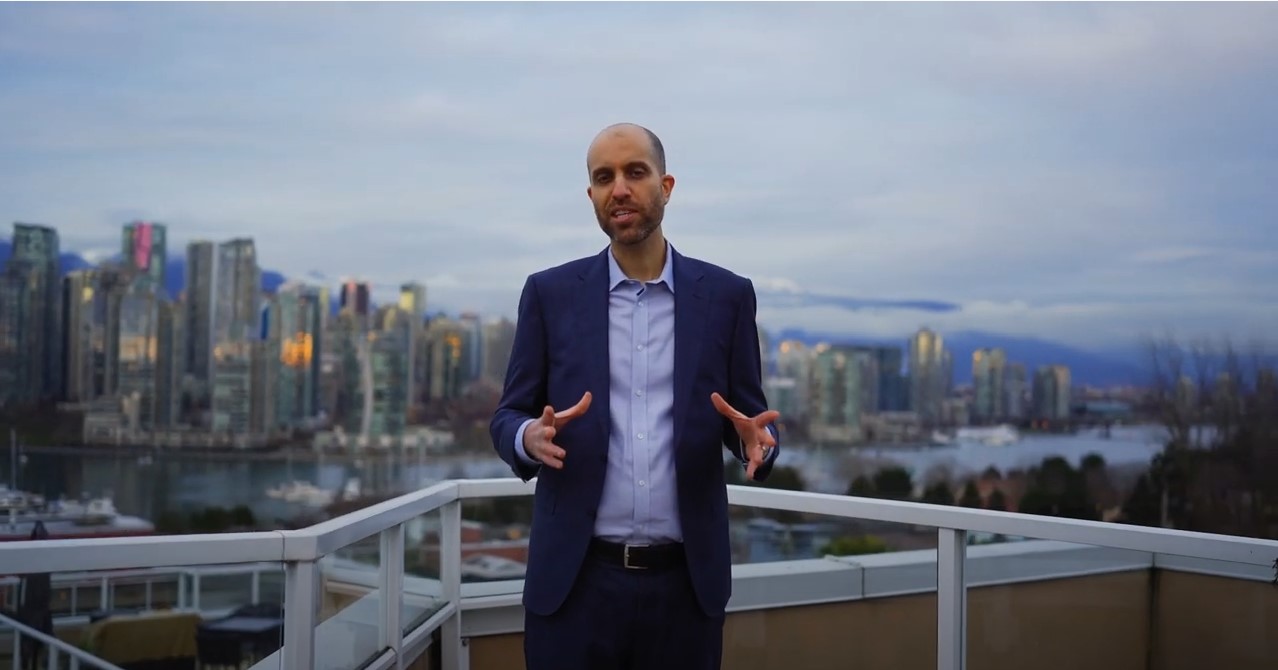
Ron Parpara
+1,090% organic traffic increase and #1 ranked Realtor keywords in Vancouver.

Jet Pet Resort
+992% organic clicks increase with a scalable SEO and content system.
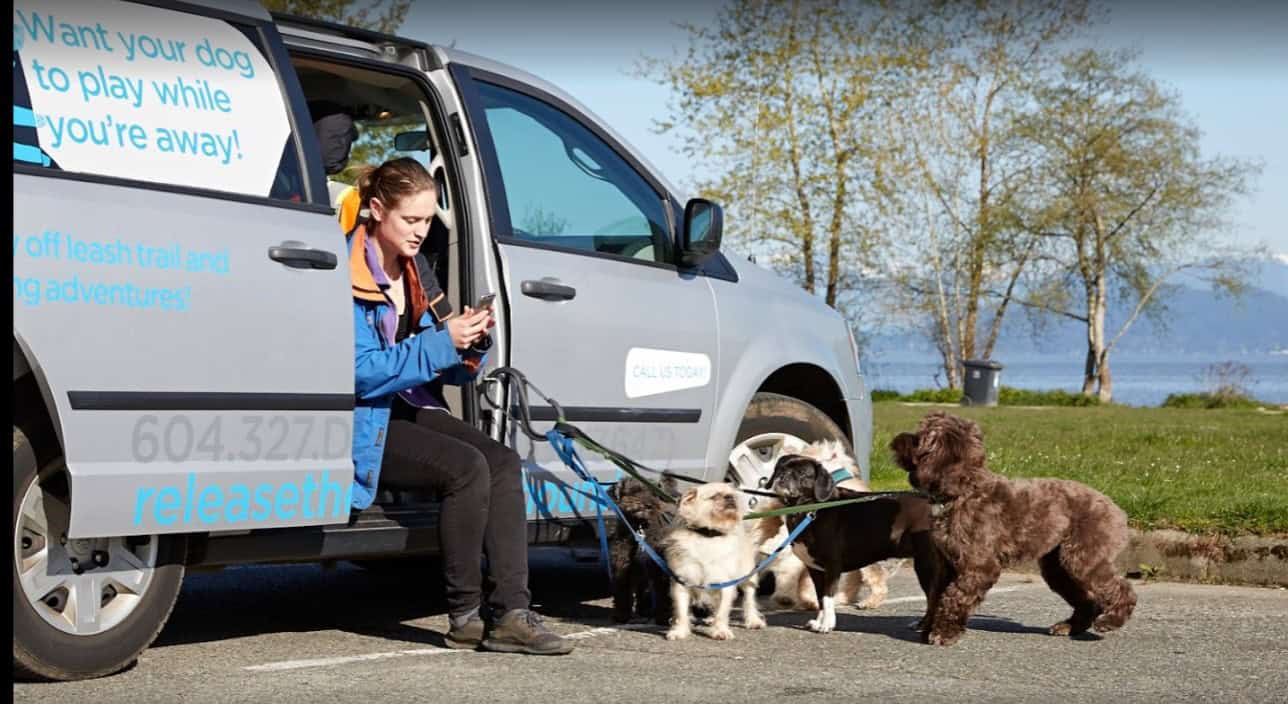
Release The Hounds
+1,974% organic impressions increase through content and technical execution.
Results vary by industry, competition, and site history. Want more examples? Visit Case Studies.
Indexing and ranking drop recovery pricing
Choose the level of support you need. If you are unsure, pick Growth. We will confirm fit during the first call.
Rapid triage
Best for straightforward drops where a few critical signals likely broke.
- First diagnostic within 1 business day
- 48-hour containment plan
- Priority fix list (impact-ranked)
- Root-cause hypotheses with evidence
- One submission or appeal where applicable
What is included in detail
Hands-on recovery
Best when the drop is severe, unclear, or tied to multiple site areas.
- Everything in Foundation, expanded
- Evidence gathering support
- Up to two follow-ups where applicable
- Monitoring for 14 days
- Hardening checklist to reduce recurrence
What is included in detail
Stabilisation window
Best for larger sites, multi-stakeholder teams, and recurring issues.
- Everything in Growth
- Stakeholder workshop
- Monitoring for 45 days
- Governance and escalation playbook
- Post-recovery hardening roadmap
What is included in detail
If diagnosis points to a specific root cause, these add-ons let us go deeper without bloating the core recovery sprint.
Timeline
- Foundation: triage in 1 day, actions in 2 to 5 business days
- Growth: typically 2 to 4 weeks depending on reprocessing speed
- Scale: 45-day stabilisation window to validate recovery and prevent relapse
What we need from you
- Access: GSC, analytics, and (if possible) your CMS or dev contact
- Change history: recent releases, migrations, plugin changes, or content pushes
- Top priorities: which pages and keywords matter most to revenue
- One decision maker to approve fixes quickly
FAQs
These are the questions we hear most when a site drops suddenly.
How fast can you tell what caused the drop?
Can you recover rankings without changing content?
What if Google says “Crawled, currently not indexed”?
Do you handle penalties and manual actions?
How do we prevent this from happening again?
Should we run an SEO audit first?
Request a recovery plan
After submission, Step 2 unlocks scheduling.
Step 2 of 2: Schedule your strategy call
Pick a time that works. We will confirm the likely failure mode and the fastest first actions.
If your drop is tied to duplication or canonicals, see Canonicalisation and Duplicate Content Solutions.