
Google Penalty Recovery that restores trust, rankings, and stability
If your traffic dropped overnight, Search Console shows a Manual action, or your pages stopped ranking after a spam update, we run senior-led triage, fix the root cause, and guide the correct recovery path (including reconsideration where applicable). Vancouver-based, Canada-wide execution.
Prefer a free starting point? Get a Free SEO Audit See case studies
Is it a penalty, an update, or a technical issue?
The fastest recoveries happen when you name the problem correctly. We map your symptoms to the most likely cause, then choose the right recovery path.
Manual action signals
- Search Console Manual actions notice.
- Specific pages or sections de-indexed.
- Recovery requires policy-aligned fixes plus a clean submission narrative.
Algorithmic demotion patterns
- Site-wide ranking drop without a manual notice.
- Strong correlation with a core, spam, or helpful content update.
- Recovery is usually improvements plus time, not a single switch.
Technical causes that mimic penalties
- Robots, noindex, canonicals, redirect chains, or hreflang drift.
- Index bloat and crawl budget waste hiding your best pages.
- Fixes often improve visibility within days once recrawled.
Quick classification table
Use this to sanity-check your symptoms. Then we validate with Search Console, logs, and crawl evidence.
| What you see | Most likely cause | What works | What usually fails |
|---|---|---|---|
| Manual action in Search Console Specific policy category listed |
Manual penalty | Fix policy triggers Document proof Reconsideration request | Random content edits Mass disavow without evidence |
| Site-wide drop No manual notice, positions fall across many queries |
Algorithmic demotion | Content quality upgrades Link risk reduction Internal structure fixes | Thin new content spam Chasing update rumours |
| Pages disappear from index Coverage errors or excluded by canonical |
Technical indexation | Robots and noindex audit Canonical cleanup Crawl budget tuning | Ignoring logs Blind sitemap changes |
| Sudden spikes in spam pages New URLs, strange titles, odd language |
Compromise or injected spam | Remove injections Patch vectors Rebuild trust signals | Only hiding URLs No hardening after cleanup |
Related: Crawl and Indexation Fixes, Crawl Budget and Index Bloat Cleanup, Canonicalization and Duplicate Content Solutions.
The recovery system
Penalty recovery is not guesswork. We follow a tight loop: identify, contain, remediate, submit if applicable, then monitor until stable.
- 1 Triage and classification Manual vs algorithmic vs technical
- 2 Root-cause isolation Pinpoint triggers and timelines
- 3 Containment Stop risk and prevent spread
- 4 Remediation Fix content, links, and structure
- 5 Submission support Reconsideration or appeals
- 6 Monitoring and hardening Stability, then growth roadmap
Triage and classification
We start with the shortest path to truth: check Search Console notices, coverage patterns, and query groups that fell.
- Manual actions review and affected URL groups
- Drop mapping by template, directory, and intent cluster
- Index and crawl sanity checks to rule out technical self-sabotage
Root-cause isolation
We correlate timing and symptoms to isolate triggers (links, content patterns, spam injections, or structural changes).
- Change log audit: releases, migrations, plugins, tracking, and templates
- Link profile risk scan with relevance and toxicity filters
- Content quality flags: duplication, doorway behaviour, thin clusters, or scaled pages
Containment
Stop the bleeding. If risk keeps accumulating, recovery takes longer and future submissions get harder.
- Spam removal and hardening, including injected URLs and hacked templates
- Index bloat cleanup: thin pages, tag chaos, parameter traps
- Redirect and canonical corrections so Google sees your intended pages
Remediation
Execute the fixes that move the needle, then document proof. Most recoveries are a combination of multiple small, correct changes.
- Toxic link cleanup and disavow only where evidence supports it
- Content refreshing to strengthen helpfulness, intent match, and topic depth
- Architecture and internal linking to consolidate authority and reduce cannibalisation
Submission support
When a manual action or platform policy is involved, the submission is not a formality. It is your audit trail.
- Clear remediation summary: what was wrong, what changed, what safeguards are in place
- Evidence pack: URL lists, screenshots, logs, and before and after examples
- Submission wording tuned for clarity and accountability, without fluff
Monitoring and hardening
We track early recovery signals, then harden the site to reduce repeat hits and volatility.
- Stability monitoring: indexation, impressions, query groups, and crawl behaviour
- Tracking resilience so you can measure recovery even with consent changes
- Roadmap to rebuild: content clusters, digital PR, and technical guardrails
What we fix in penalty recovery
These are the areas that most often cause penalties, demotions, or long-term trust debt.
Trust and spam signals
Hacked pages, injected spam, doorway patterns, and low-value scaled content that triggers spam systems.
- Spam URL removal, patching, and prevention checks.
- Thin cluster pruning and rework into intent-matched pages.
- Structured cleanup to reduce noisy indexation.
Related: SEO Spam and Negative SEO Response
Content and intent alignment
We strengthen helpfulness and clarity, consolidate duplicates, and ensure your site earns the right to rank.
- Rewrite and merge pages that cannibalise each other.
- Upgrade topical depth with internal linking and structure.
- Improve SERP match: titles, metadata, and page layouts.
Related: SEO Content Strategy, Title Tags and Meta Description Optimization
Site architecture and internal linking
We reduce confusion for crawlers and consolidate authority so your best pages surface again.
- Pillar and cluster consolidation to remove duplication.
- Editorial internal linking for authority flow.
- Navigation and template hygiene to avoid index bloat.
Related: Internal Linking Strategy, Site Architecture and Internal Linking
Technical SEO guardrails
Technical issues can block recovery even if content and links are fixed. We remove the blockers and keep it stable.
- Robots, noindex, canonicals, sitemaps, and redirects.
- Core Web Vitals and render issues where they block crawling.
- Server log checks when crawl behaviour looks abnormal.
Proof that disciplined fixes create real recovery
Penalty situations vary, but the pattern is consistent: remove the risk, rebuild relevance, and reinforce the site so growth sticks. Here are a few examples of the outcomes VSA has driven.
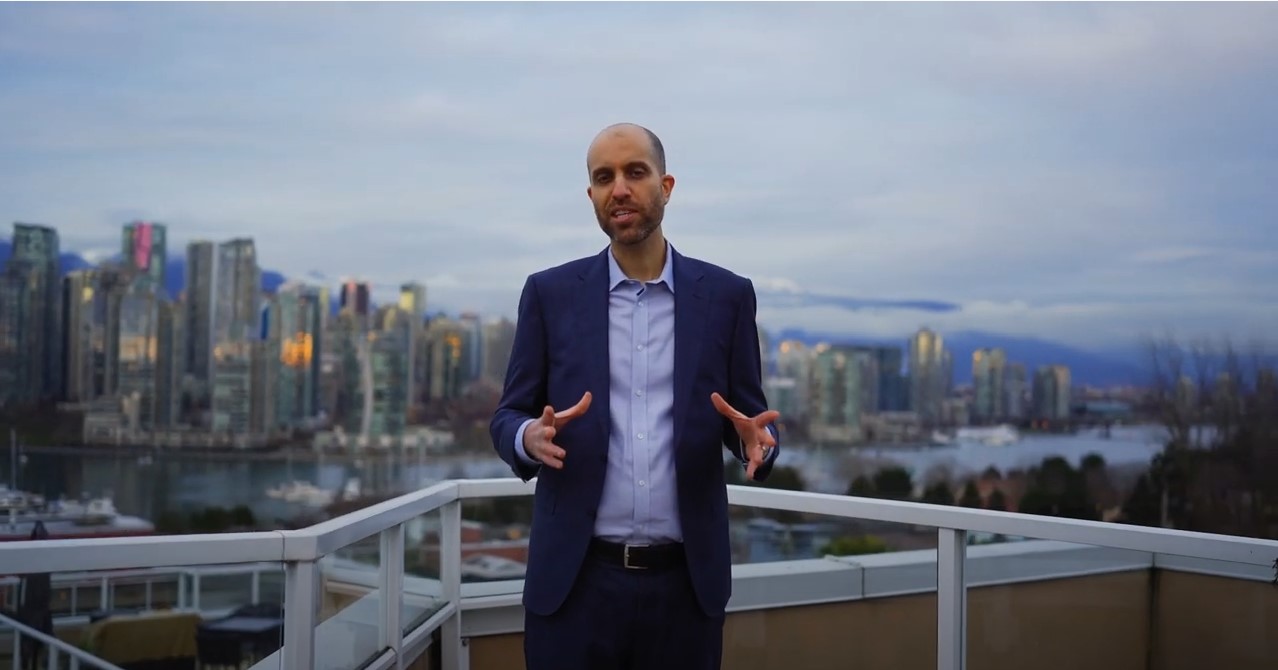
Ron Parpara
From low visibility to dominating local listings by fixing structure, cannibalisation, and authority signals.
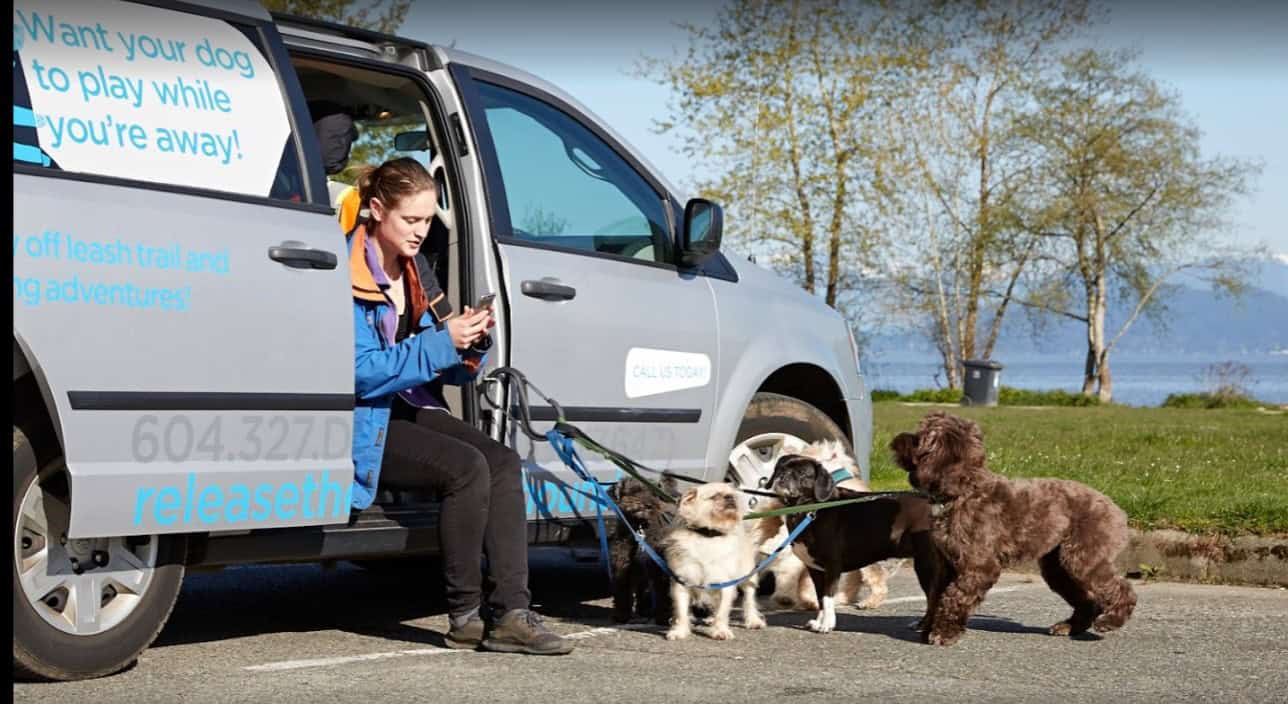
Release The Hounds
Strategic page optimisation, structure improvements, and content assets that unlocked massive growth.

Jet Pet Resort
A single content asset plus supporting SEO work drove exceptional visibility and compounding link growth.
Penalty recovery is a different job
In recovery work, the goal is stability first. We focus on the highest-leverage fixes, document evidence, and reduce risk so the next algorithm shift does not erase your progress.
If you suspect spam or sabotage: Negative SEO Response and Toxic Link Cleanup.
Penalty recovery pricing
One-time, outcome-focused packages. No fluff, no long contracts. Penalty outcomes can vary by platform and history, so we focus on evidence, correct remediation, and stability.
Rapid triage + fix list
Best when you need clarity fast and want a credible path forward.
- Fast classification: manual vs algorithmic vs technical
- Priority fix list with proof targets
- One submission or appeal where applicable
- Short handover doc for your dev or internal team
Typical pace: triage in 1 day, actions in 2 to 5 days depending on access and scope.
Hands-on remediation + monitoring
Best when you want VSA to guide fixes and confirm recovery signals.
- Everything in Foundation
- Fix execution support across content, links, and indexation
- Monitoring for 14 days with check-ins
- Hardening checklist to reduce recurrence
Typical timeline: 2 to 4 weeks depending on the platform and recrawl.
Stabilisation + 45-day monitoring
Best when recovery needs coordination, documentation, and a firm stabilisation window.
- Stabilisation plan with clear owners and sequencing
- 45-day monitoring and escalation playbook
- Post-recovery hardening roadmap
- Stakeholder-ready evidence pack
Typical timeline: 45-day stabilisation window once fixes are shipped.
Manual actions: often fastest once fixes are complete and evidence is clear. Algorithmic demotions: require improvements plus recrawl and reassessment time. Technical blockers: can rebound quickly once corrected and recrawled.
Access to Search Console and Analytics, CMS or dev support for shipping changes, and one decision maker who can approve removals and rewrites. If you have a recent migration, release notes help speed up isolation.
Request penalty triage
Step 1: send your details. Step 2: pick a time for a focused recovery call. If you already have a Manual action notice, include the category and affected pages.
If you need a deeper technical pass before remediation, consider Technical SEO Audit.
Google penalty recovery FAQ
Clear answers, realistic expectations, and what we look for first.
How do you know if it is a manual action?
How long does recovery take?
Do you always recommend disavowing links?
Can you guarantee penalty removal or ranking recovery?
What if this is negative SEO or spam injection?
What do you need access to?
More help: SEO Site Migrations and Website Redesign Support, Competitor SEO Analysis, SEO Consulting.
Related services that pair well with recovery
Once stability returns, these help you rebuild authority and keep growth compounding.
Indexing and Ranking Drop Recovery
If rankings fell without a manual notice, this service focuses on diagnosis, remediation, and stability signals.
Digital PR for SEO
After recovery, earned mentions and high-quality links help rebuild trust and strengthen competitive terms.
Content Optimization and Refreshing
Upgrade helpfulness, consolidate duplicates, and rebuild topic depth so rankings do not snap back down.