SEO Split Testing services that replace guessing with measurable lifts
Change titles, templates, and on-page elements with confidence. VSA runs controlled SEO experiments that improve CTR, organic traffic, and leads while keeping risk low through strict QA and measurement guardrails.
Why teams use SEO split testing
Because “best practices” are not guarantees. We validate changes on your site, your audience, and your SERPs.
Faster wins on large sites
Templates, category pages, and internal link modules can unlock wide impact when tested and rolled out safely.
Lift traffic without “new content”
Many gains come from improving how your existing pages earn clicks, and how well content matches intent.
Reduce risk while still iterating
Controlled experiments beat site-wide changes. We test on a subset, monitor, then expand when data is clear.
Proof that we practise what we sell
Google Partner. 721+ campaigns delivered since 2015. Kickoffs scheduled weekly to keep execution tight. Clear deliverables with monthly reporting.
Testing that connects to leads, not just rankings
We align experiments to outcomes you feel: more qualified calls, better form completion, higher conversion rate, and better lead quality feedback loops.
What we test in SEO
We focus on high leverage changes that can scale across pages, and we choose test designs that match your traffic level.
| Test type | Examples | Primary KPI | Traffic needed | Typical timeline | Risk level |
|---|---|---|---|---|---|
| SERP snippet tests | Titles, meta descriptions, intent modifiers, brand placement | CTR, qualified clicks | Low to medium | 2 to 4 weeks | Low |
| Template and module tests | Category page blocks, FAQs, internal link widgets, “above the fold” structure | Organic traffic, engagement, conversions | Medium to high | 4 to 8 weeks | Medium |
| Content clarity tests | Headings, content order, comparison tables, trust signals | Conversions, lead quality | Medium | 4 to 6 weeks | Medium |
| Internal linking experiments | Anchor text, hub pages, navigation patterns, breadcrumbs | Indexation, rankings distribution | Medium | 6 to 10 weeks | Medium |
| Structured data tests | FAQ schema, product schema, organisation signals, review markup | SERP features, CTR | Low | 2 to 6 weeks | Low |
| Technical SEO behaviour tests | Indexation controls, canonical rules, pagination patterns, crawl optimisation | Crawl efficiency, index coverage | Medium | 6 to 12 weeks | Higher |
We prioritise tests by business impact
We start with the pages that drive revenue or leads, then select hypotheses that can scale across page groups.
- High intent pages first (service, category, location)
- Changes that can be rolled out safely across templates
- Clear measurement path from organic traffic to leads
We choose the right test design
Not every site needs the same approach. We match design to traffic, volatility, and dev constraints.
- Split URL, bucketed templates, or time based tests
- Holdouts and guardrails for risky changes
- Segmentation for brand vs non-brand intent
Every test ships with a rollout plan
Winning variants get rolled out with documentation, monitoring, and a rollback path if SERPs shift.
- QA checklist before launch
- Weekly performance monitoring
- Decision threshold and next test backlog
Our SEO split testing system
A repeatable loop: choose the highest impact hypothesis, test safely, measure cleanly, then scale winners.
- 1 Readiness and guardrailsTracking, page groups, and risk controls
- 2 Hypothesis and prioritisationImpact, effort, and confidence scoring
- 3 Build variantsTemplates, copy, and structured data
- 4 Launch the experimentControlled exposure and monitoring
- 5 Analyse and decideSignificance, segments, and anomalies
- 6 Rollout and documentScale winners and lock learnings
Readiness and guardrails
Before testing, we confirm you can measure outcomes and control risk. This keeps experiments reliable and avoids accidental regressions.
- Define page groups and traffic thresholds (so the test can reach a decision)
- Confirm conversion tracking and attribution signals (forms, calls, CRM imports if available)
- Set guardrails and rollback rules (for visibility drops or SERP shifts)
Hypothesis and prioritisation
We build a testing backlog that targets business impact, not vanity SEO tasks. Each hypothesis has a clear reason and KPI.
- Use SERP analysis to spot CTR gaps and intent mismatch
- Score ideas by impact, effort, and confidence, then pick the next best experiment
- Define the “decision rule” up front, including minimum effect size and time window
Build variants
We create controlled variants that isolate one meaningful change. That makes results interpretable and rollouts safer.
- Variant spec: what changes, what stays the same, and why
- QA pass: rendering, indexing signals, internal links, and schema validity
- Measurement tags, annotations, and documentation for clean analysis
Launch the experiment
We roll out changes in a controlled way and monitor early signals. The goal is clean data without surprises.
- Control and variant assignment that stays stable across sessions
- Monitoring for crawl, indexation, and abnormal volatility
- Change log and rollback plan ready before the test starts
Analyse and decide
We separate real lift from noise: seasonality, SERP layout changes, or competitor shifts. Decisions are backed by clear readouts.
- Statistical evaluation with segment checks (brand, device, page groups)
- Guardrail review so growth is not coming with hidden downside
- Clear decision: roll out, iterate, or kill the idea and move on
Rollout and document
Winning variants get rolled out with care. We document learnings so your site gets smarter each month.
- Rollout checklist and post-roll monitoring plan
- Experiment readout, plus the next best tests to queue
- Internal documentation that keeps teams aligned (SEO, content, dev)
When split testing is not the right first step
If tracking is unreliable, pages are too few, or traffic is too low, testing can mislead you. In those cases we start with foundations.
- Fix indexation and crawl issues first
- Strengthen measurement and conversion tracking
- Build enough traffic to reach clean decisions
When split testing shines
Perfect when you have stable traffic and meaningful page groups where small percentage lifts compound.
- Templates and large page sets (categories, locations, programmatic)
- CTR and snippet improvements that unlock more clicks
- On-page conversion improvements tied to lead quality
Results you can measure
Split testing is one way we drive outcomes. Explore what’s possible when SEO decisions are backed by data.
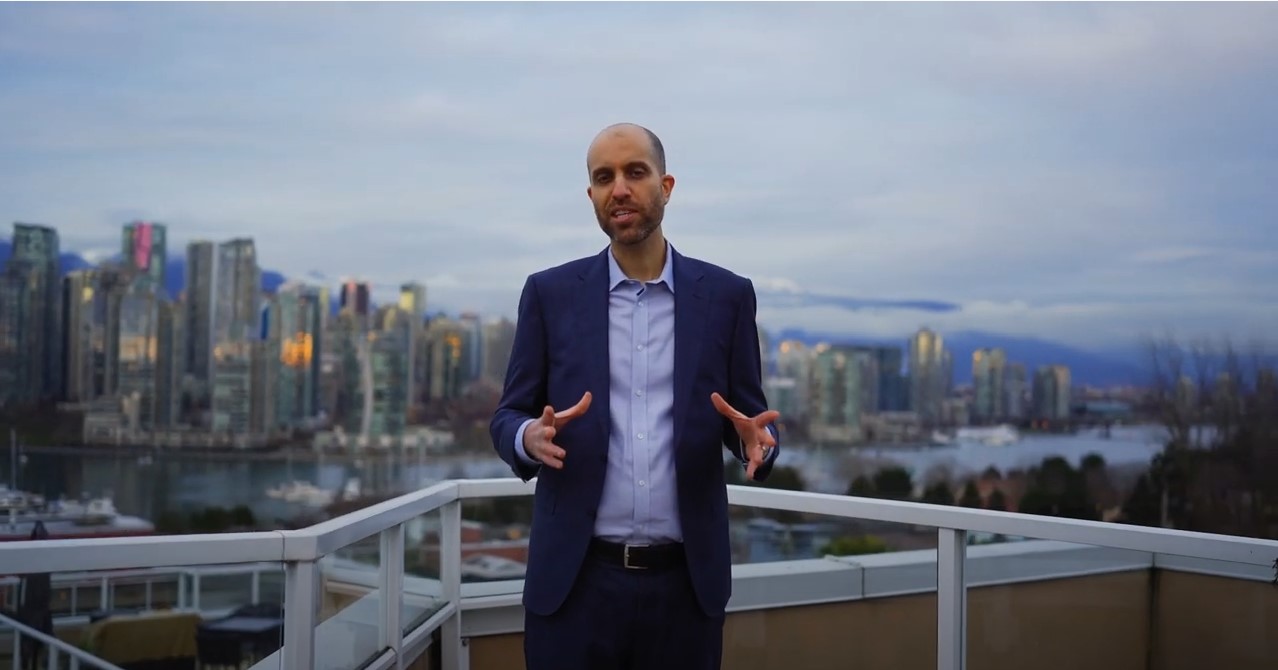
#1 ranked Realtor for “Vancouver Realtor”
When traffic grows, testing and iteration become a compounding advantage. We help you build the loop.
- +1,090% organic traffic increase (case study highlight)
- +1,116% increase in search clicks (featured result)
- Over 100% increase in qualified leads
SEO split testing packages
Choose your testing velocity. Each plan is designed around consistent learning and safe rollouts.
Foundation
Outcome: measurable lifts without guessing.
- 1 experiment monthly
- Measurement plan and rollout checklist
- Readout summary and backlog refresh
Growth
Outcome: faster learning velocity.
- 2 experiments monthly
- Governance and biweekly call
- Readouts, next tests, stakeholder alignment
Scale
Outcome: optimisation engine for larger sites.
- 4 experiments monthly
- Weekly cadence and exec readouts
- Rollout support notes and testing roadmap
Timeline
Most experiments take 4 to 6 weeks end-to-end, depending on traffic volume and the type of change.
- Week 1: backlog, spec, QA plan
- Week 2: build variants and launch
- Weeks 3 to 5: monitoring and data collection
- Week 6: decision, rollout, readout, next test
What we need from you
Testing works best when we can ship clean changes quickly and tie outcomes to leads or revenue.
- Decision maker for prioritisation
- Dev support (or access to your dev team)
- Access to Search Console and analytics
- Clear goals: leads, sales, or pipeline quality
SEO split testing FAQ
Quick answers to common questions. If you want to talk through fit, request a proposal below.
Is SEO split testing safe for my rankings?
What is the difference between SEO split testing and A/B testing for CRO?
How much traffic do we need to run meaningful tests?
What do we actually get each month?
Can you test title tags and meta descriptions only?
Do you work with Vancouver businesses only?
Request a proposal for SEO split testing
Tell us what you want to improve. We will reply within 1 business day with a recommended test plan and timeline.
What happens next
- We review your site and identify high-impact page groups for testing
- We confirm measurement readiness and guardrails
- You get a proposed experiment backlog, cadence, and plan tier
Step 1: Send your details
We will use this to tailor a test plan and confirm feasibility.
Step 2: Book your strategy call
Pick a time that fits. We will come prepared with initial test ideas and feasibility notes.