
Local landing pages (geo pages) built to rank cleanly — and turn city searches into leads.
If you serve multiple cities or neighbourhoods, you need more than “Service + City” clones. VSA designs a geo page system that matches search intent, avoids cannibalisation, and gives every location a reason to exist.
Why “service + city” pages fail (and what wins instead)
Google rewards local relevance — not mass-produced doorway pages. The goal is to build a location system that matches search intent, proves legitimacy, and converts.
Thin content & doorway risk
Template swaps (“Vancouver” → “Burnaby”) create pages that compete with each other, dilute authority, and often fail to index.
- Index bloat + weak engagement signals
- Cannibalisation across cities
- Unclear “why this page exists”
What actually wins
A geo page framework where each location page has distinct intent coverage, local proof, and clean internal linking.
- One primary query cluster per location page
- Localised proof blocks (service area, reviews, photos, policies)
- Structured data + FAQ intent capture
- UX that drives calls, forms, and bookings
What VSA delivers
A rollout-ready system — strategy, templates, and guardrails — so you can scale local coverage without scaling risk.
Geo rollout strategy
Location selection, prioritisation, and a launch sequence that protects the index.
- Market + keyword intent mapping
- “Hub-and-spoke” cluster model
- Anti-cannibalisation rules
Page blueprint & templates
A repeatable layout that’s easy to build in WordPress — and hard to classify as thin.
- Local proof blocks + CTA placements
- FAQ + schema-ready modules
- Content rules (what must be unique)
Internal linking plan
Where each geo page sits in your architecture so authority flows cleanly and users find the next step.
- Parent/child linking rules
- Navigation + contextual links
- Anchor text strategy (natural + varied)
Quality guardrails (QA)
Checklist-driven standards so pages ship consistent, compliant, and conversion-ready.
- Indexation and canonical checks
- Local proof coverage minimums
- Duplicate + near-duplicate detection
Tracking recommendations
Measure calls, forms, and booked consults per location — so you scale what’s profitable.
- Lead attribution checklist
- Call + form conversion mapping
- Location-level reporting structure
Next-step roadmap
Once the model proves out, we map the next wave: more cities, more services, or deeper clusters.
- Expansion sequencing
- Content + internal linking evolution
- Ongoing optimisation priorities
The VSA geo pages process
A controlled build that protects rankings while expanding coverage — with a “prove first, scale second” cadence.
- 1 Intent mapKeywords → locations → page types
- 2 ArchitectureHub/spoke + internal linking rules
- 3 BlueprintModules, proof blocks, and CTA logic
- 4 Build + QAContent rules + duplicates + index controls
- 5 RolloutLaunch sequencing + monitoring notes
Intent map (the non-negotiable)
We group your local search demand into query clusters, then assign each cluster to the right location page type. This prevents 15 cities from fighting over the same keyword.
- Primary cluster per page: one clear “job” per URL.
- Secondary intents: FAQs + supporting sections capture long-tail.
- Local modifiers: neighbourhoods, landmarks, and service-area language.
Architecture that scales cleanly
We design a hub-and-spoke model (plus optional neighbourhood clusters) so Google and users understand the hierarchy. Authority flows from core services → geo hubs → individual locations.
- Parent/child rules: hubs link down; geo pages link back up.
- Internal link plan: contextual links that feel natural.
- Cannibalisation defence: content + headings + anchors aligned.
Blueprint: modules that convert
Every geo page is built from conversion modules: local proof, clarity, and friction reduction. Not fluff.
- Local proof blocks: reviews, photos, policies, coverage map.
- CTA placement logic: call, quote, book — without overdoing it.
- Schema-ready: LocalBusiness / Service / FAQ (when appropriate).
Build + QA (no surprises)
We enforce uniqueness thresholds, duplicates checks, internal links, and index controls before anything goes live.
- Uniqueness rules: no “spin text”; real local differentiation.
- Technical checks: canonical, indexation, status codes, internal links.
- UX checks: mobile readability, CTA clarity, trust blocks.
Controlled rollout + monitoring notes
We don’t ship 50 pages blind. We launch a tight batch, watch indexation + conversions, then expand with confidence.
- Batch launch: prove the template in the first wave.
- Search Console focus: coverage, queries, cannibalisation signals.
- Iteration notes: content additions + internal links that move the needle.
The geo page blueprint
These are the core modules we combine to make each page feel legitimate, unique, and high-converting. On mobile, tapping a module opens a scrollable popup.
Page intent & on-page targeting
Each geo page is built around one clear intent cluster — then supported with secondary questions and service-area modifiers.
- Primary query cluster + SERP feature targets
- Heading structure that prevents keyword overlap
- Content rules to keep pages distinct across cities
Local proof blocks (what makes the page “real”)
A local page should answer “why you, here?” We add proof that supports legitimacy and conversion.
- Service-area coverage explanation + boundaries
- Reviews/testimonials (location-aware)
- Photos, policies, response times, and trust markers
Service specifics that match local demand
We tailor service details to local realities (common needs, building types, delivery constraints, or turnaround expectations).
- Localised service variants (when justified)
- Pricing ranges / “how it works” explanations
- Conversion CTAs aligned to your sales motion
FAQs, objections, and long-tail capture
FAQs do double duty: they address sales objections and capture “near-me” long-tail searches — without bloating the page.
- 5–8 location-aware FAQs (not generic repeats)
- Service-area nuance (parking, access, travel fees)
- Lead-friendly microcopy (what happens next)
Schema + page structure
We structure pages so Google can interpret them confidently, and so users scan fast.
- Service + LocalBusiness schema guidance
- FAQ schema (when content genuinely answers questions)
- Breadcrumbs + internal hierarchy support
Internal linking that supports both rankings and UX
Users need clear next steps, and Google needs hierarchy. We plan links to flow authority and guide conversions.
- Geo hub ↔ city page ↔ service page link rules
- Contextual links to trust builders (reviews, case studies)
- Navigation + “related areas” sections done right
We set uniqueness thresholds, content minimums, and a controlled rollout so your site grows without index bloat.
Pair this with SEO Copywriting Services or Content Optimisation & Refreshing.
Local Landing Pages (Geo Pages) Strategy pricing
Choose a rollout size. Each tier includes strategy + blueprint. Higher tiers include more build pages and deeper implementation detail.
$1,900 CAD
Outcome: expand coverage without thin-content risk.
- Geo rollout blueprint (location prioritisation)
- Geo page template + layout recommendations
- Keyword → location intent mapping (up to 10 areas)
- Internal linking plan
- Tracking recommendations
$3,800 CAD
Outcome: prove the model with a small rollout.
- Everything in Foundation
- 5 geo pages built (first wave rollout)
- Location-proof block guidance + FAQ blocks
- Internal linking implementation notes
- QA checklist (ready for your dev/team)
$7,900 CAD
Outcome: capture more local demand with a larger rollout.
- Everything in Growth
- 15 geo pages built (multi-city wave)
- Internal link plan applied
- 30-day monitoring notes
- Next-step roadmap (expansion sequencing)
What we need from you
- Primary service list + priority locations
- Access to CMS (for build tiers) and current URL structure
- Local proof assets (reviews, photos, policies, service boundaries)
- Preferred conversion goal (calls, forms, bookings)
What you get at the end
- A geo page system you can scale without chaos
- Clear page roles that prevent cannibalisation
- Templates + QA guardrails for consistent launches
- Optional tracking plan to measure per-location ROI
Local growth outcomes (VSA case studies)
Geo pages work best when paired with strong on-page foundations, clean technical SEO, and authority building.
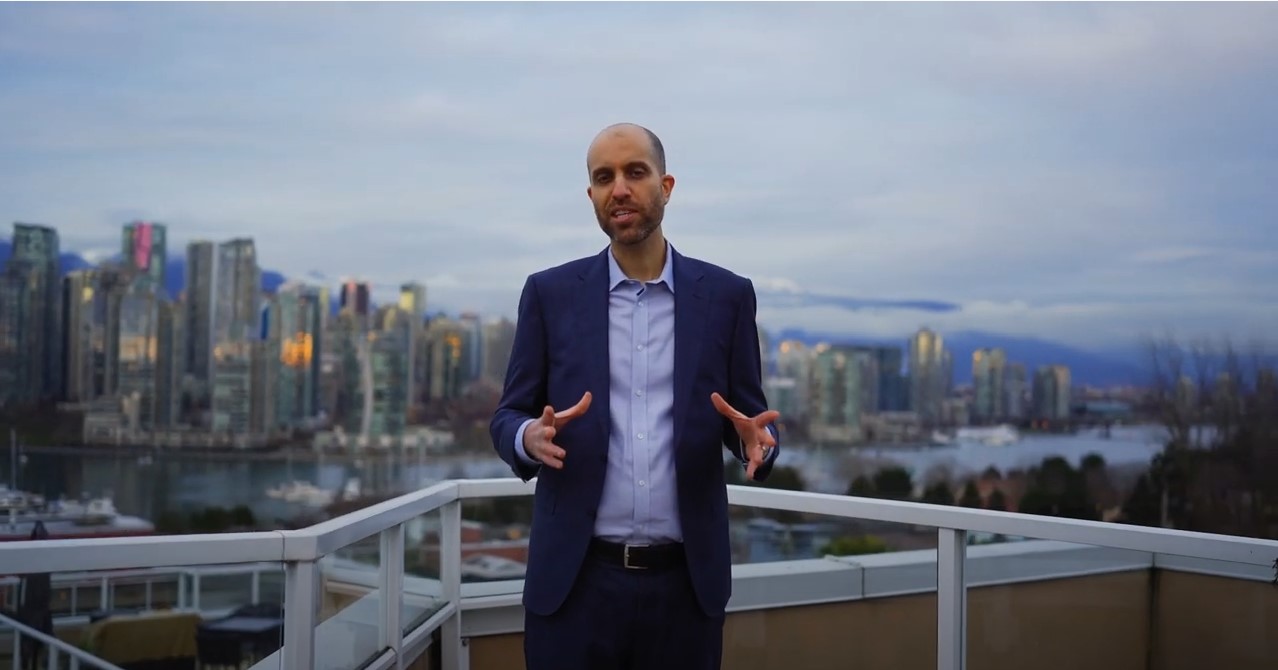
+1,090% organic traffic increase
Local market dominance built through structural fixes, content strategy, and cannibalisation cleanup.

+1,667% organic traffic increase
Stronger structure, on-page improvements, and content assets that captured local search demand.
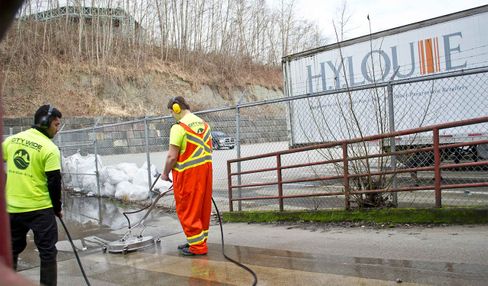
+500% organic search traffic
A modernised web foundation and SEO campaign that turned local visibility into qualified leads.
FAQ
Quick answers to the common geo pages questions we hear before rollout.
How many geo pages should we launch first?
Are geo pages considered doorway pages?
What’s the difference between a “city page” and a “service-area page”?
Do we need separate pages for every neighbourhood?
How do you prevent keyword cannibalisation across locations?
Can you build the pages too?
How do we measure performance by location?
Request your geo pages plan
Tell us your service + target areas. We’ll reply within 1 business day and map the fastest rollout path.

Local landing pages (geo pages) built to rank cleanly — and turn city searches into leads.
If you serve multiple cities or neighbourhoods, you need more than “Service + City” clones. VSA designs a geo page system that matches search intent, avoids cannibalisation, and gives every location a reason to exist.
Why “service + city” pages fail (and what wins instead)
Google rewards local relevance — not mass-produced doorway pages. The goal is to build a location system that matches search intent, proves legitimacy, and converts.
Thin content & doorway risk
Template swaps (“Vancouver” → “Burnaby”) create pages that compete with each other, dilute authority, and often fail to index.
- Index bloat + weak engagement signals
- Cannibalisation across cities
- Unclear “why this page exists”
What actually wins
A geo page framework where each location page has distinct intent coverage, local proof, and clean internal linking.
- One primary query cluster per location page
- Localised proof blocks (service area, reviews, photos, policies)
- Structured data + FAQ intent capture
- UX that drives calls, forms, and bookings
What VSA delivers
A rollout-ready system — strategy, templates, and guardrails — so you can scale local coverage without scaling risk.
Geo rollout strategy
Location selection, prioritisation, and a launch sequence that protects the index.
- Market + keyword intent mapping
- “Hub-and-spoke” cluster model
- Anti-cannibalisation rules
Page blueprint & templates
A repeatable layout that’s easy to build in WordPress — and hard to classify as thin.
- Local proof blocks + CTA placements
- FAQ + schema-ready modules
- Content rules (what must be unique)
Internal linking plan
Where each geo page sits in your architecture so authority flows cleanly and users find the next step.
- Parent/child linking rules
- Navigation + contextual links
- Anchor text strategy (natural + varied)
Quality guardrails (QA)
Checklist-driven standards so pages ship consistent, compliant, and conversion-ready.
- Indexation and canonical checks
- Local proof coverage minimums
- Duplicate + near-duplicate detection
Tracking recommendations
Measure calls, forms, and booked consults per location — so you scale what’s profitable.
- Lead attribution checklist
- Call + form conversion mapping
- Location-level reporting structure
Next-step roadmap
Once the model proves out, we map the next wave: more cities, more services, or deeper clusters.
- Expansion sequencing
- Content + internal linking evolution
- Ongoing optimisation priorities
The VSA geo pages process
A controlled build that protects rankings while expanding coverage — with a “prove first, scale second” cadence.
- 1 Intent mapKeywords → locations → page types
- 2 ArchitectureHub/spoke + internal linking rules
- 3 BlueprintModules, proof blocks, and CTA logic
- 4 Build + QAContent rules + duplicates + index controls
- 5 RolloutLaunch sequencing + monitoring notes
Intent map (the non-negotiable)
We group your local search demand into query clusters, then assign each cluster to the right location page type. This prevents 15 cities from fighting over the same keyword.
- Primary cluster per page: one clear “job” per URL.
- Secondary intents: FAQs + supporting sections capture long-tail.
- Local modifiers: neighbourhoods, landmarks, and service-area language.
Architecture that scales cleanly
We design a hub-and-spoke model (plus optional neighbourhood clusters) so Google and users understand the hierarchy. Authority flows from core services → geo hubs → individual locations.
- Parent/child rules: hubs link down; geo pages link back up.
- Internal link plan: contextual links that feel natural.
- Cannibalisation defence: content + headings + anchors aligned.
Blueprint: modules that convert
Every geo page is built from conversion modules: local proof, clarity, and friction reduction. Not fluff.
- Local proof blocks: reviews, photos, policies, coverage map.
- CTA placement logic: call, quote, book — without overdoing it.
- Schema-ready: LocalBusiness / Service / FAQ (when appropriate).
Build + QA (no surprises)
We enforce uniqueness thresholds, duplicates checks, internal links, and index controls before anything goes live.
- Uniqueness rules: no “spin text”; real local differentiation.
- Technical checks: canonical, indexation, status codes, internal links.
- UX checks: mobile readability, CTA clarity, trust blocks.
Controlled rollout + monitoring notes
We don’t ship 50 pages blind. We launch a tight batch, watch indexation + conversions, then expand with confidence.
- Batch launch: prove the template in the first wave.
- Search Console focus: coverage, queries, cannibalisation signals.
- Iteration notes: content additions + internal links that move the needle.
The geo page blueprint
These are the core modules we combine to make each page feel legitimate, unique, and high-converting. On mobile, tapping a module opens a scrollable popup.
Page intent & on-page targeting
Each geo page is built around one clear intent cluster — then supported with secondary questions and service-area modifiers.
- Primary query cluster + SERP feature targets
- Heading structure that prevents keyword overlap
- Content rules to keep pages distinct across cities
Local proof blocks (what makes the page “real”)
A local page should answer “why you, here?” We add proof that supports legitimacy and conversion.
- Service-area coverage explanation + boundaries
- Reviews/testimonials (location-aware)
- Photos, policies, response times, and trust markers
Service specifics that match local demand
We tailor service details to local realities (common needs, building types, delivery constraints, or turnaround expectations).
- Localised service variants (when justified)
- Pricing ranges / “how it works” explanations
- Conversion CTAs aligned to your sales motion
FAQs, objections, and long-tail capture
FAQs do double duty: they address sales objections and capture “near-me” long-tail searches — without bloating the page.
- 5–8 location-aware FAQs (not generic repeats)
- Service-area nuance (parking, access, travel fees)
- Lead-friendly microcopy (what happens next)
Schema + page structure
We structure pages so Google can interpret them confidently, and so users scan fast.
- Service + LocalBusiness schema guidance
- FAQ schema (when content genuinely answers questions)
- Breadcrumbs + internal hierarchy support
Internal linking that supports both rankings and UX
Users need clear next steps, and Google needs hierarchy. We plan links to flow authority and guide conversions.
- Geo hub ↔ city page ↔ service page link rules
- Contextual links to trust builders (reviews, case studies)
- Navigation + “related areas” sections done right
We set uniqueness thresholds, content minimums, and a controlled rollout so your site grows without index bloat.
Pair this with SEO Copywriting Services or Content Optimisation & Refreshing.
Local Landing Pages (Geo Pages) Strategy pricing
Choose a rollout size. Each tier includes strategy + blueprint. Higher tiers include more build pages and deeper implementation detail.
$1,900 CAD
Outcome: expand coverage without thin-content risk.
- Geo rollout blueprint (location prioritisation)
- Geo page template + layout recommendations
- Keyword → location intent mapping (up to 10 areas)
- Internal linking plan
- Tracking recommendations
$3,800 CAD
Outcome: prove the model with a small rollout.
- Everything in Foundation
- 5 geo pages built (first wave rollout)
- Location-proof block guidance + FAQ blocks
- Internal linking implementation notes
- QA checklist (ready for your dev/team)
$7,900 CAD
Outcome: capture more local demand with a larger rollout.
- Everything in Growth
- 15 geo pages built (multi-city wave)
- Internal link plan applied
- 30-day monitoring notes
- Next-step roadmap (expansion sequencing)
What we need from you
- Primary service list + priority locations
- Access to CMS (for build tiers) and current URL structure
- Local proof assets (reviews, photos, policies, service boundaries)
- Preferred conversion goal (calls, forms, bookings)
What you get at the end
- A geo page system you can scale without chaos
- Clear page roles that prevent cannibalisation
- Templates + QA guardrails for consistent launches
- Optional tracking plan to measure per-location ROI
Local growth outcomes (VSA case studies)
Geo pages work best when paired with strong on-page foundations, clean technical SEO, and authority building.
+1,090% organic traffic increase
Local market dominance built through structural fixes, content strategy, and cannibalisation cleanup.
+1,667% organic traffic increase
Stronger structure, on-page improvements, and content assets that captured local search demand.
+500% organic search traffic
A modernised web foundation and SEO campaign that turned local visibility into qualified leads.
FAQ
Quick answers to the common geo pages questions we hear before rollout.
How many geo pages should we launch first?
Are geo pages considered doorway pages?
What’s the difference between a “city page” and a “service-area page”?
Do we need separate pages for every neighbourhood?
How do you prevent keyword cannibalisation across locations?
Can you build the pages too?
How do we measure performance by location?
Request your geo pages plan
Tell us your service + target areas. We’ll reply within 1 business day and map the fastest rollout path.